Siem Reap
Gateway to the Ancient World
Best For
Temples & History · Culture
Stay
3–5 days
Best Time
November to March
Type
Top Destination
About
Why Visit Siem Reap?
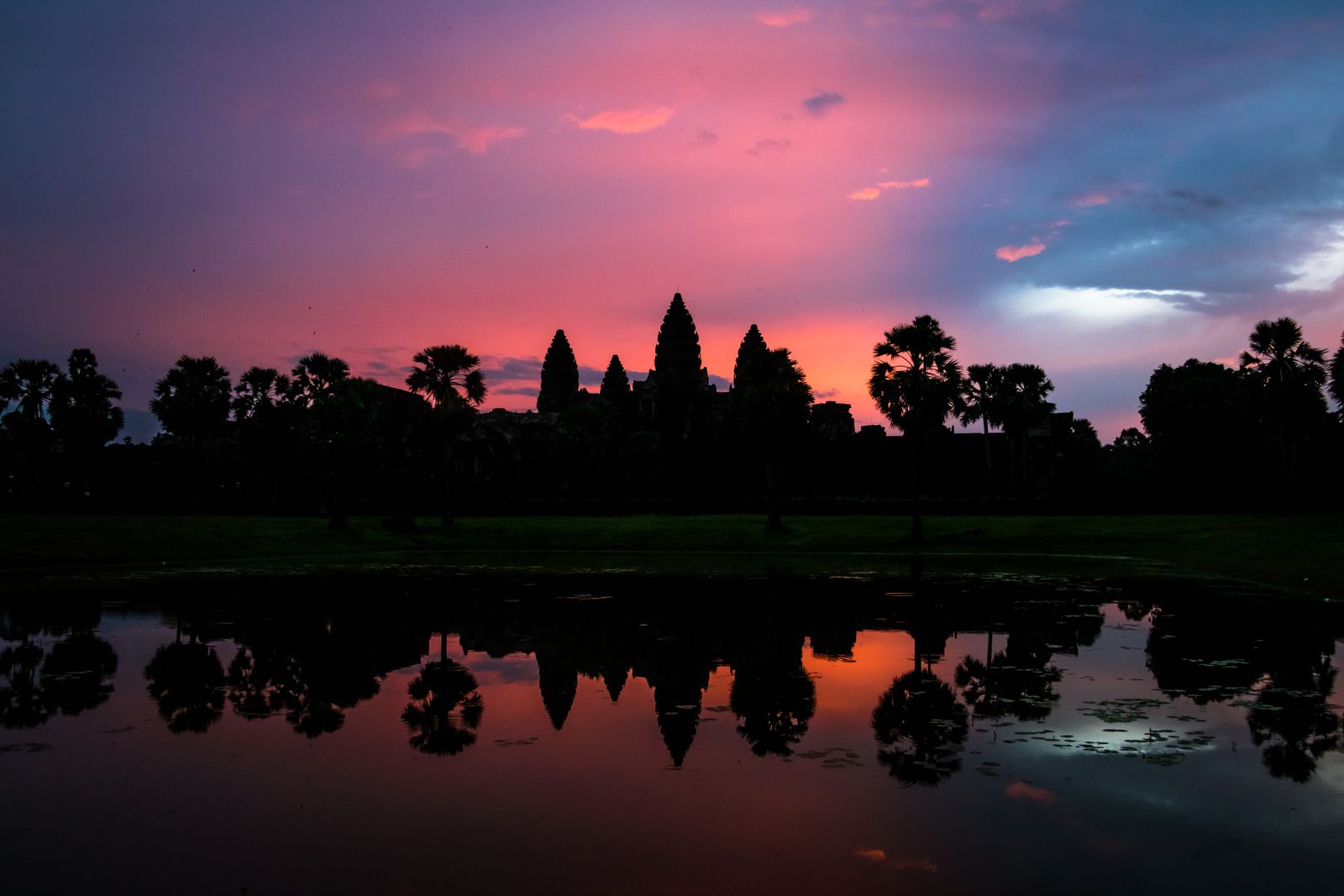
Siem Reap is one of Southeast Asia’s most extraordinary destinations — and the reason most travelers come to Cambodia. The ancient temples of Angkor, built between the 9th and 15th centuries by the Khmer Empire, are simply unlike anything else on earth. Angkor Wat alone is the world’s largest religious monument, and watching the sun rise over its iconic silhouette reflected in the moat is an experience that stays with you forever.
Beyond the Temples
But Siem Reap is far more than Angkor. The town itself has transformed into one of Southeast Asia’s most charming destinations, with a buzzing café scene, incredible restaurants serving authentic Khmer cuisine, and a night market that pulses with life. The famous Pub Street area draws travelers from around the world, but venture a few blocks and you’ll find quieter alleyways filled with boutique guesthouses and locally-owned restaurants.
The Tonle Sap Lake
Just 15km from Siem Reap, the Tonle Sap is Southeast Asia’s largest lake and a UNESCO Biosphere Reserve. The floating villages of Kompong Phluk and Chong Kneas offer a glimpse into a way of life that has remained unchanged for centuries — entire communities living on water, schools and temples included.
Phnom Kulen
An hour north of town, Phnom Kulen is revered as the birthplace of the Khmer Empire — Jayavarman II was crowned god-king here in 802 AD. The sacred mountain combines a giant reclining Buddha shrine with jungle waterfalls, on a separate $20 ticket not covered by the Angkor Pass.
Getting There
Siem Reap–Angkor International Airport (SAI) connects directly to major Asian cities including Bangkok, Singapore, Kuala Lumpur, Hong Kong, and Chinese cities. From Phnom Penh, buses take 5–6 hours or you can fly in under an hour.
Where to Stay
Siem Reap has accommodation for every budget. The Old Market area puts you within walking distance of restaurants and tuk-tuks. For luxury, hotels like Amansara (converted from a royal guesthouse) and the Raffles Grand Hotel d’Angkor set the gold standard.
Highlights
Top Things to Do in Siem Reap
- 1 Angkor Wat The World's Largest Religious Monument
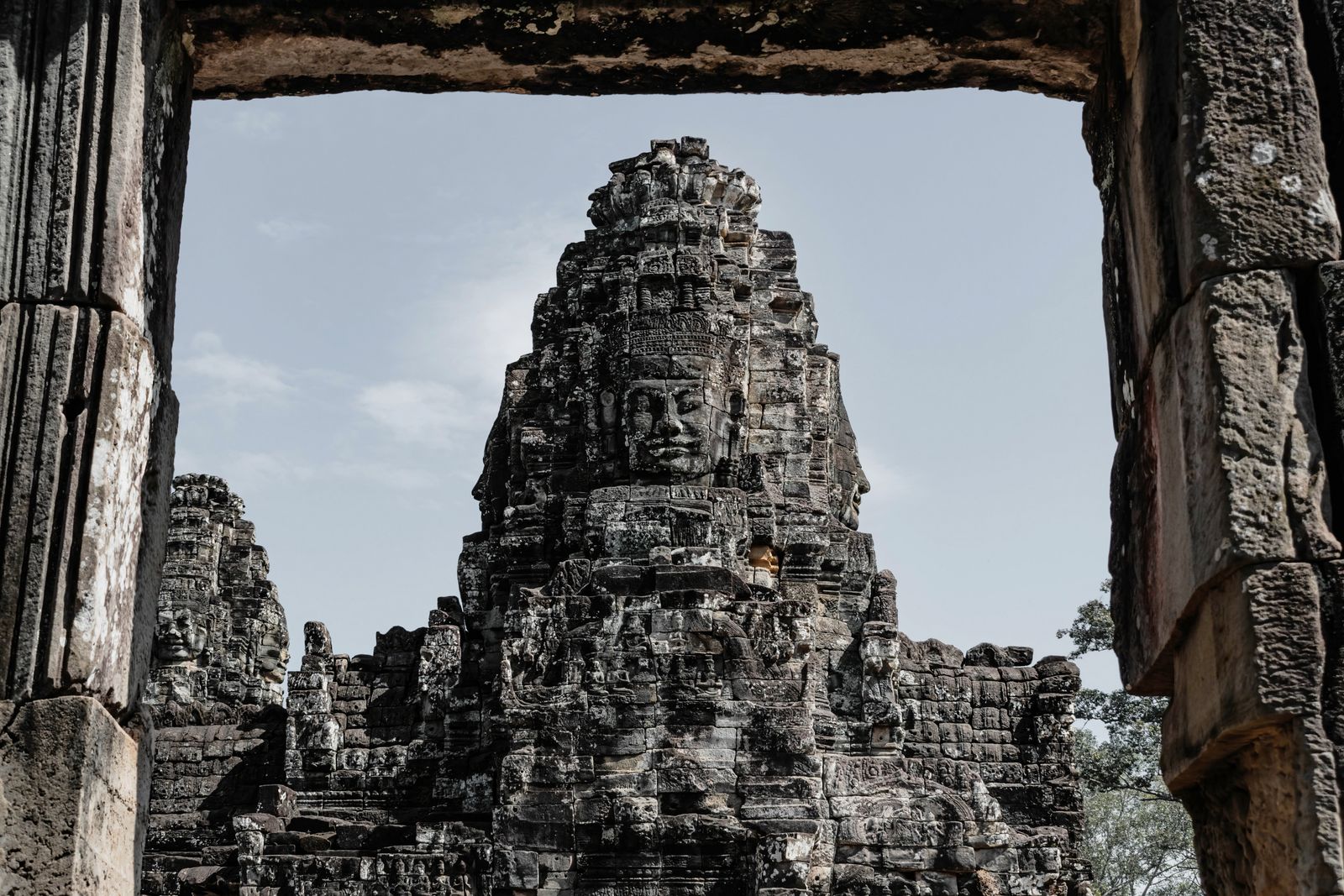
- 2 Bayon 216 Serene Stone Faces at the Heart of Angkor Thom
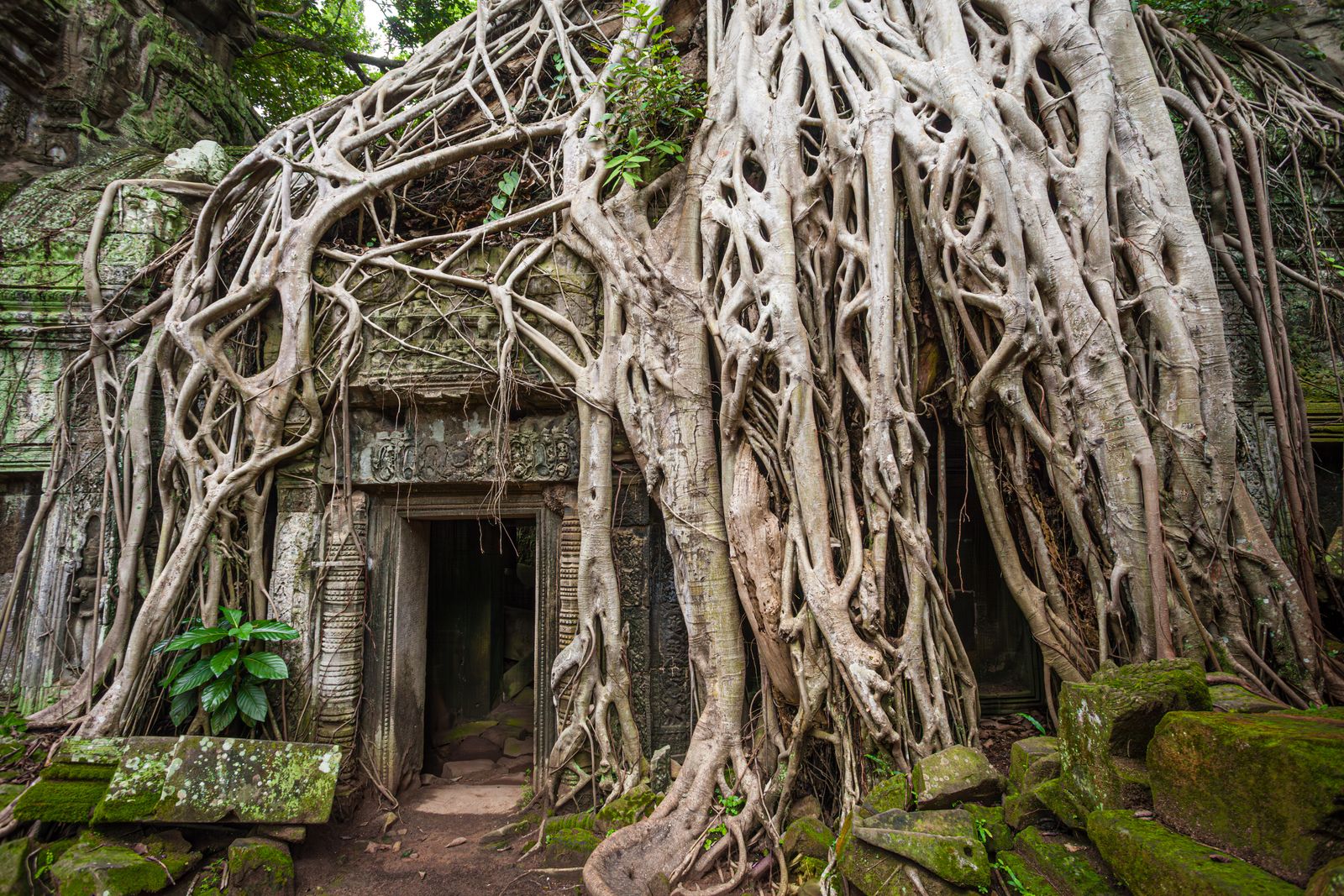
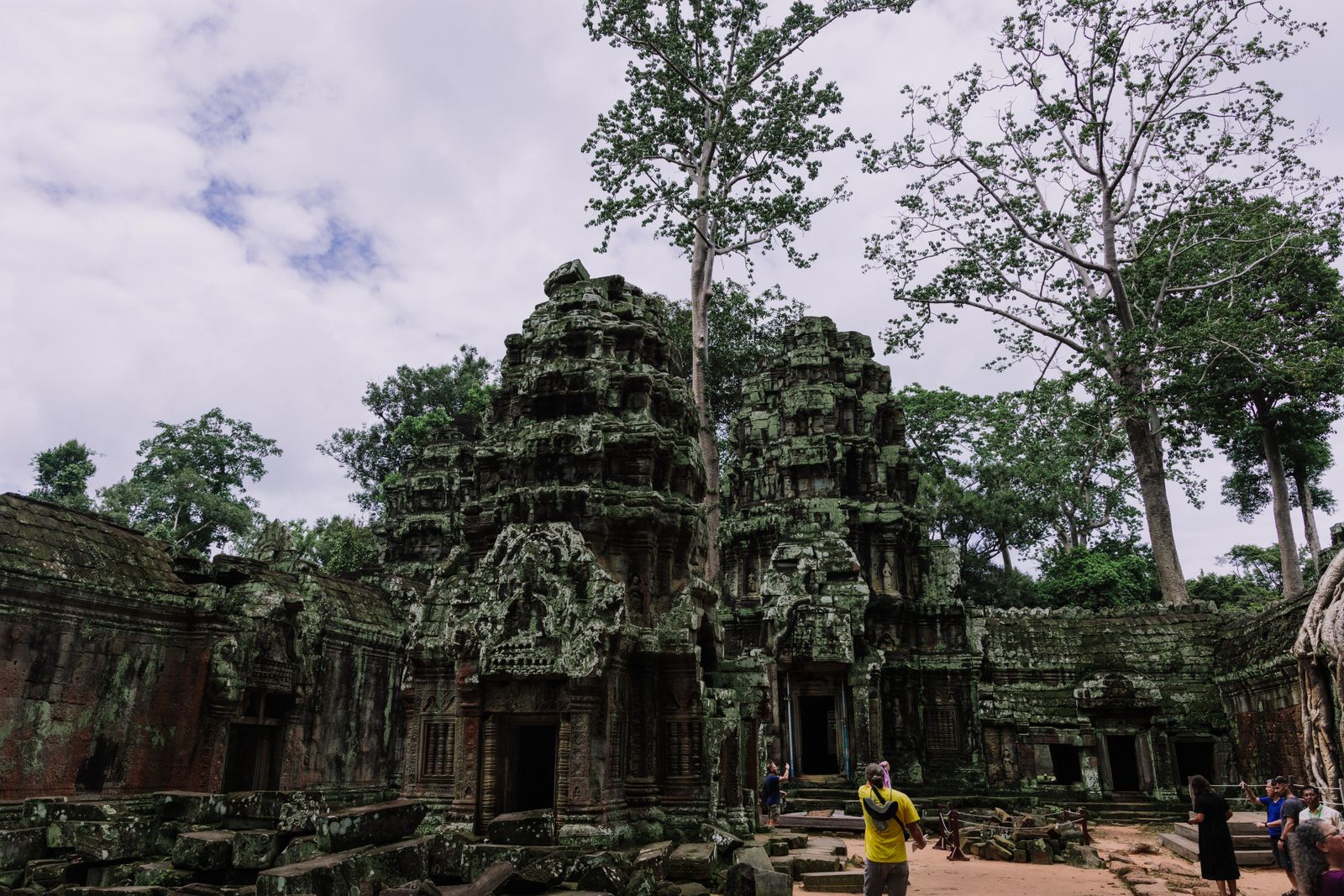
- 3 Ta Prohm Jungle-Swallowed Ruins Left Deliberately Unrestored
- 4 Banteay Srei The Finest Stone Carving in the Khmer World
- 5 Preah Khan A Vast Ruin, Quietly Atmospheric
- 6 Beng Mealea Angkor 50 Years Ago — Unrestored and Jungle-Swallowed
- 7 Angkor National Museum Context Before (or After) the Temples
- 8 Phnom Kulen The Sacred Mountain Where the Khmer Empire Began
- 9 Kompong Phluk A Stilt Village Inside a Flooded Forest
- 10 Angkor Silk Farm From Mulberry Leaf to Silk Loom — Free
- 11 Sombai Liqueur Workshop Cambodia's Infused Rice-Spirit Tasting Room
- 12 Kampong Khleang Tonle Sap's Largest Stilted Village — Far Fewer Boats
Places
Where to Go in Siem Reap
 temple
 Angkor Wat
The World's Largest Religious Monument
 temple
 Bayon
216 Serene Stone Faces at the Heart of Angkor Thom
 temple
 Ta Prohm
Jungle-Swallowed Ruins Left Deliberately Unrestored
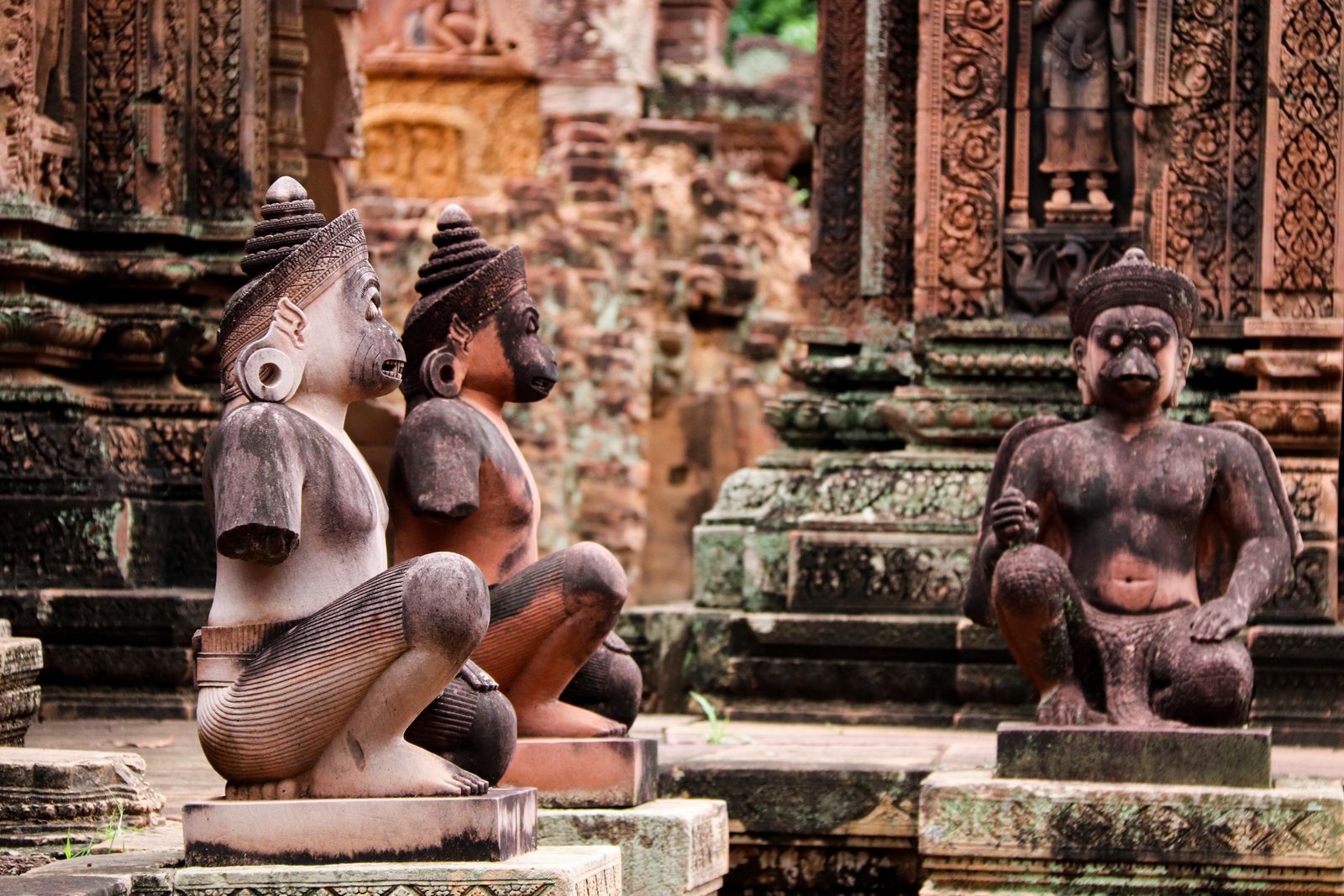 temple
 Banteay Srei
The Finest Stone Carving in the Khmer World
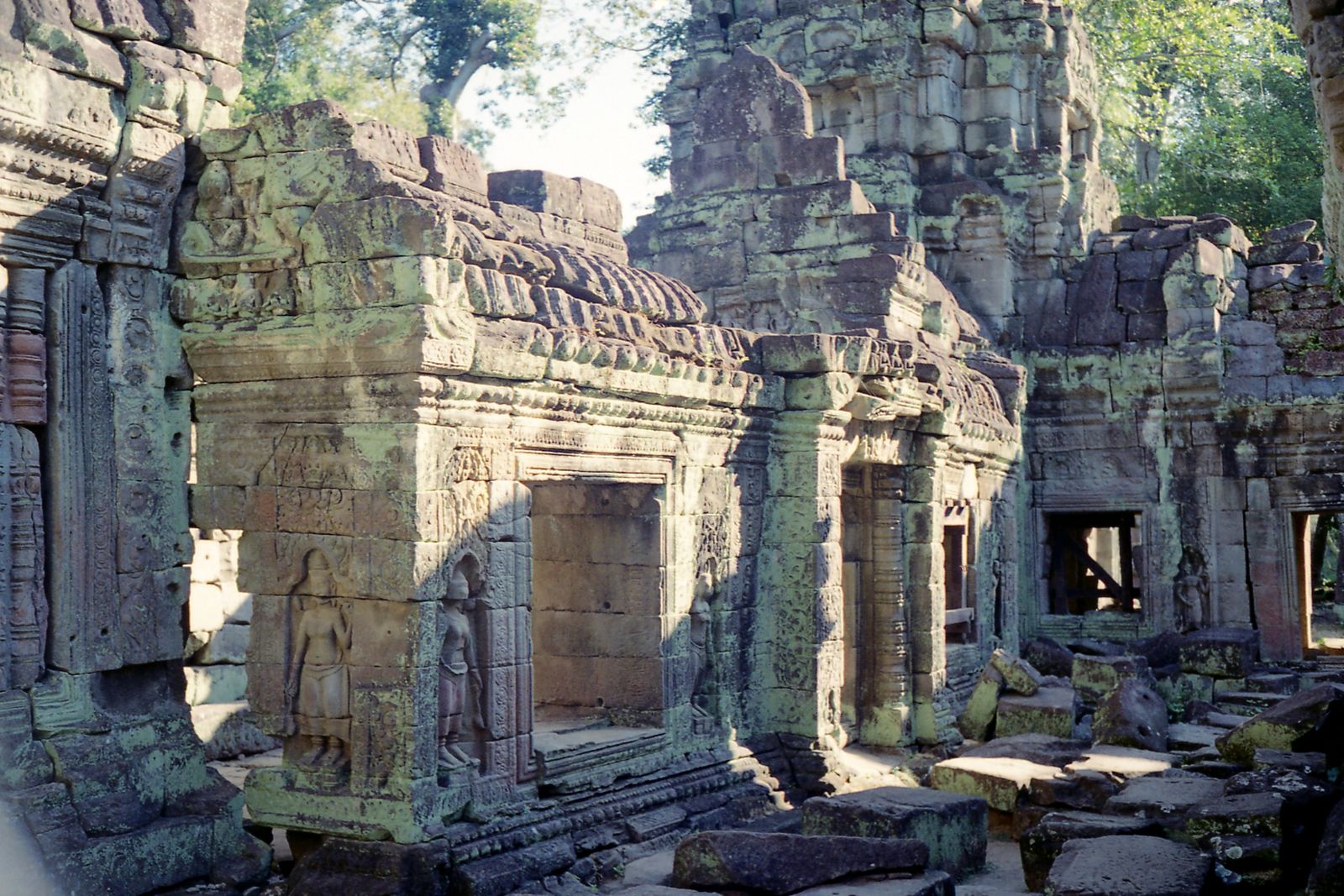 temple
 Preah Khan
A Vast Ruin, Quietly Atmospheric
 temple
 Beng Mealea
Angkor 50 Years Ago — Unrestored and Jungle-Swallowed
 museum
 Angkor National Museum
Context Before (or After) the Temples
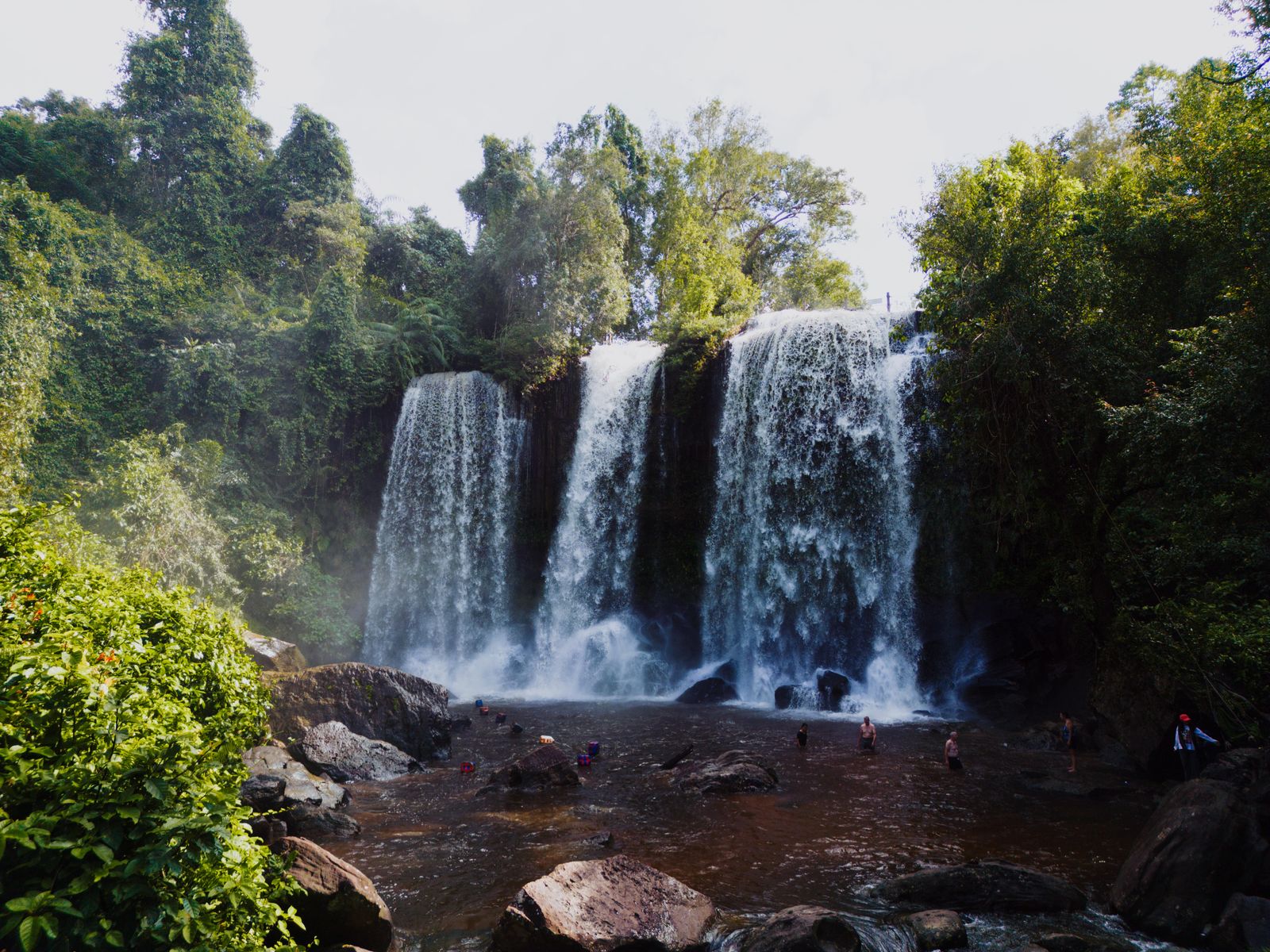 nature
 Phnom Kulen
The Sacred Mountain Where the Khmer Empire Began
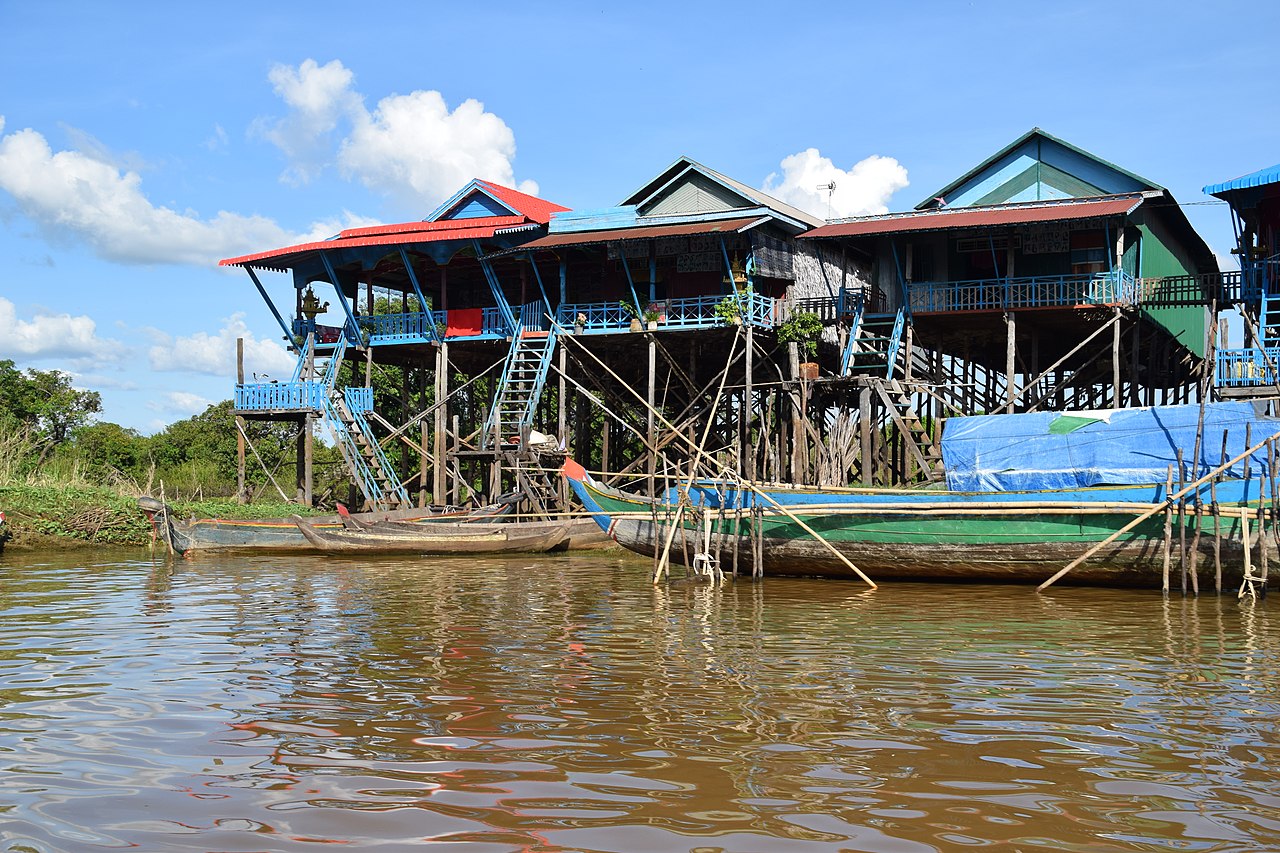 nature
 Kompong Phluk
A Stilt Village Inside a Flooded Forest
 experience
 Angkor Silk Farm
From Mulberry Leaf to Silk Loom — Free
 experience
 Sombai Liqueur Workshop
Cambodia's Infused Rice-Spirit Tasting Room
 village
 Kampong Khleang
Tonle Sap's Largest Stilted Village — Far Fewer Boats
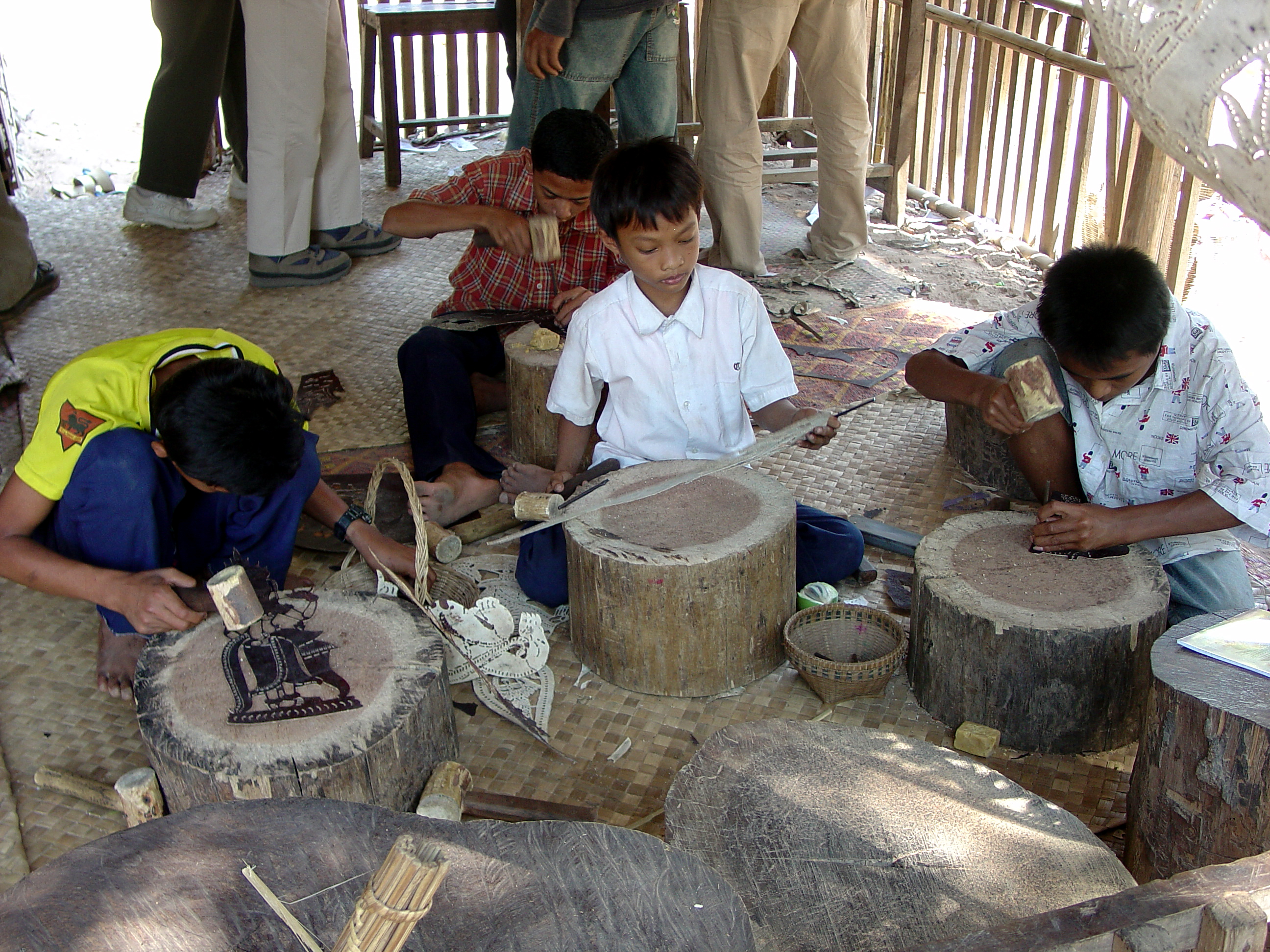 experience
 Wat Bo Shadow Puppet Troupe
Sbek Thom's Home Tradition, "Born in Siem Reap"
 museum
 MGC Asian Traditional Textiles Museum
The Sampot, Up Close
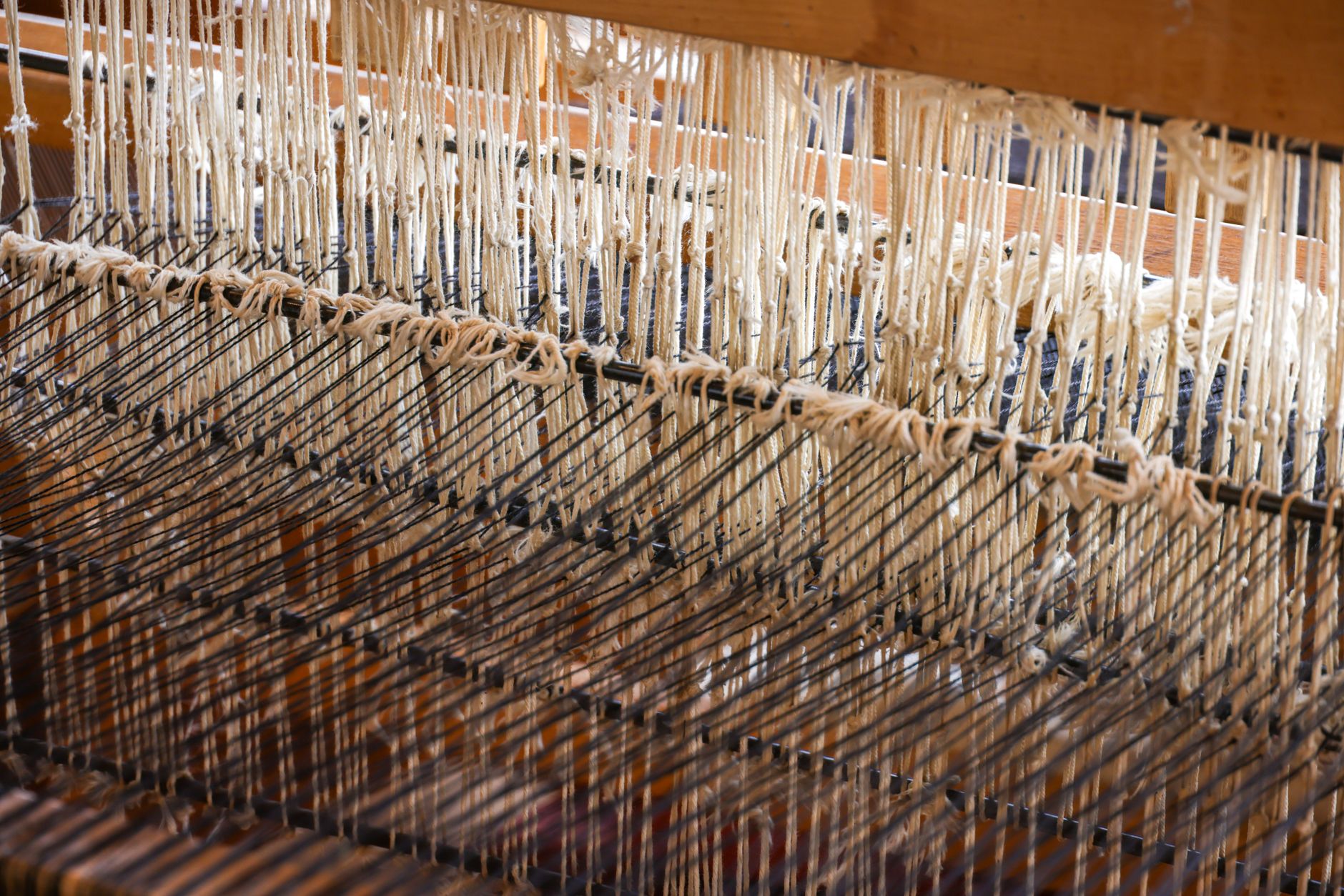 village
 IKTT Wisdom from the Forest
A Silk Village Rebuilt to Save a Dying Craft
 experience
 Siem Reap Khleng Ek Kite Festival
Cambodia's "Singing Kite," Flown in the Open Sky
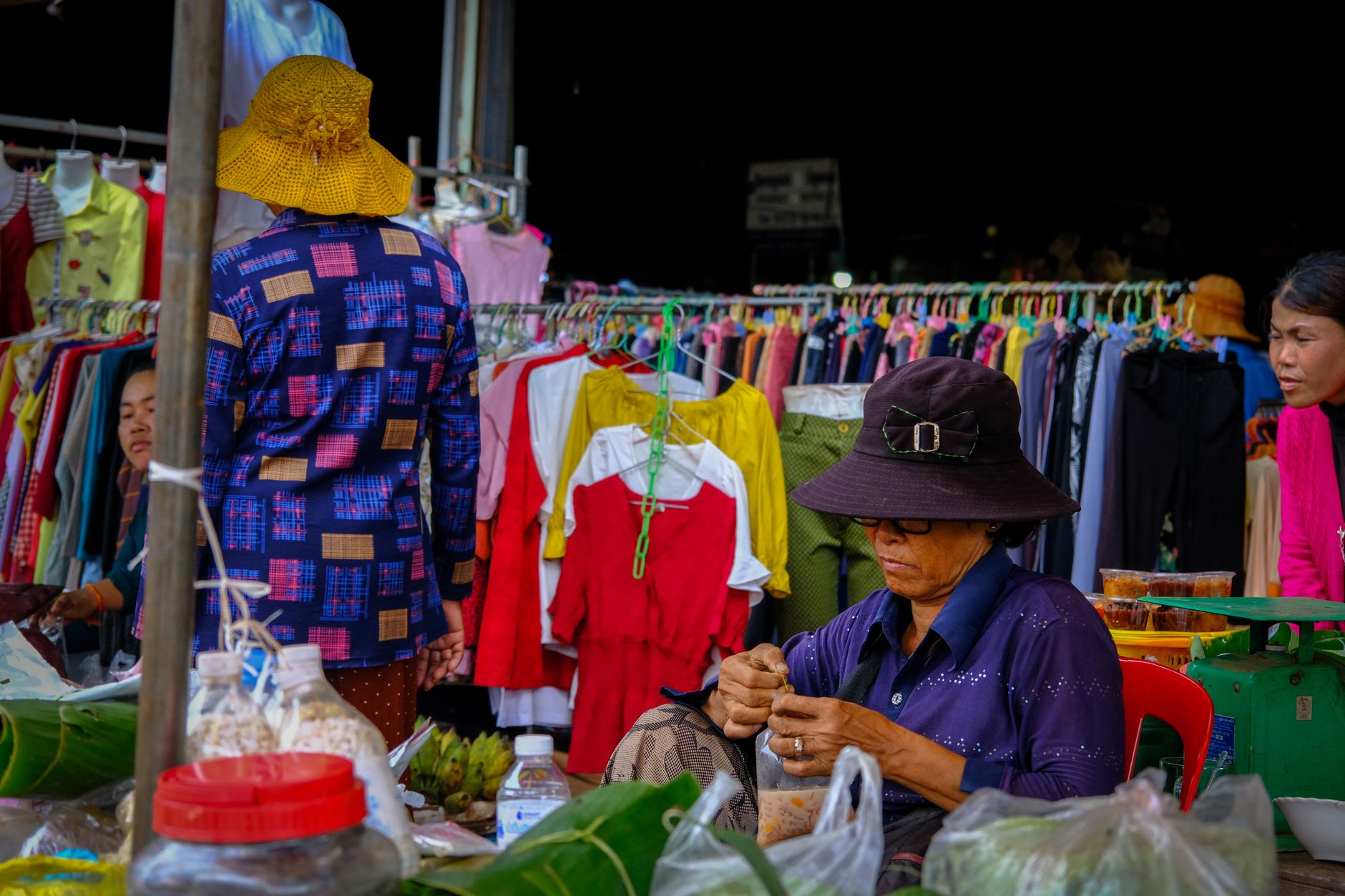 market
 Psar Chas (Old Market)
Siem Reap's Oldest Market, By Day and By Night
 experience
 Cooks in Tuk Tuks
A Market Tour and Cooking Class, by Tuk-Tuk
 experience
 Cuisine Wat Damnak
The First Cambodian Restaurant on Asia's 50 Best List
 experience
 The Sugar Palm
Home-Style Khmer Cooking from Chef Kethana
 experience
 Haven Training Restaurant
A Training Restaurant for Vulnerable Young Cambodians
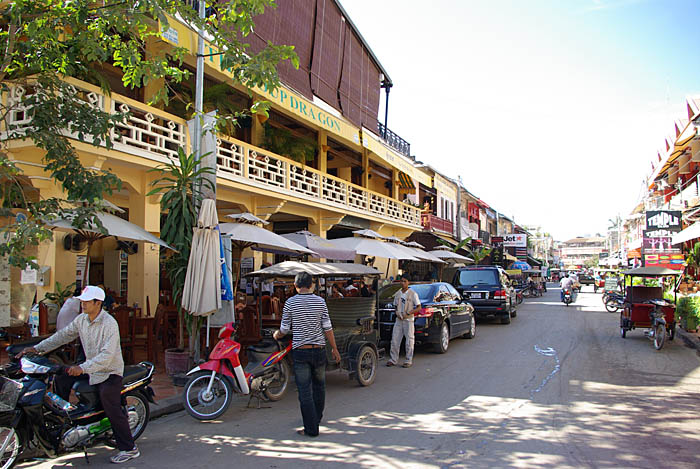 other
other Pub Street & Kandal Village
Siem Reap's Evening Heart, From Backpacker Bars to Craft Cocktails
 market
 Angkor Night Market
Siem Reap's Original Night Market, Lantern-Lit and Artisan-Focused
 experience
 Phare, The Cambodian Circus
Acrobatics and Live Music Telling Real Cambodian Stories
 experience
 Seeing Hands Massage
Cambodia's Blind-Staffed Massage Charity, $5 an Hour
 experience
 Bodia Spa — Old Market
Aromatherapy Spa Steps from the Old Market
 experience
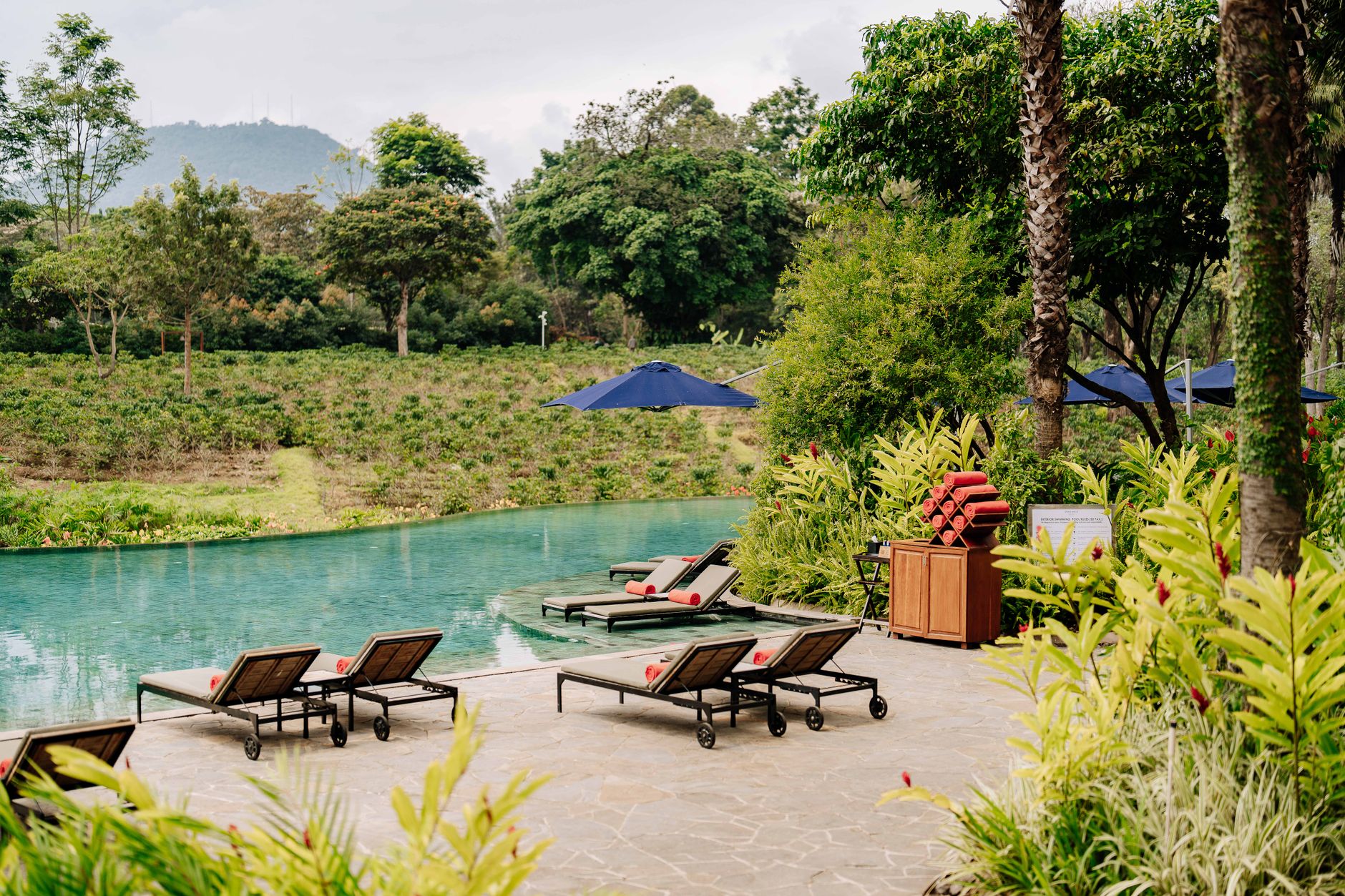
 Amansara
King Sihanouk's Former Guesthouse, Now Asia's Quietest Luxury Spa
 experience
 Shinta Mani Angkor — Khmer Tonics Spa
A Treetop Spa Sanctuary with a Massage-by-the-Blind Treatment
Browse by interest
Explore Siem Reap by Experience
Ready to go?
Ready to Visit Siem Reap?
Browse itineraries that include Siem Reap or start planning your perfect Cambodia trip.
Getting Here
How to Get to Siem Reap
By Bus & Minivan
Air-conditioned buses and shared minivans connect Siem Reap to Phnom Penh and other major cities daily. Buses are comfortable and affordable; minivans are faster. Book through your guesthouse or a local travel agency. Getting Around Cambodia guide →
By Flight
Siem Reap has a domestic airport with regular connections to Phnom Penh and international flights from major Asian cities. Flying is the fastest option and often affordable when booked in advance.
From Phnom Penh
Phnom Penh is Cambodia's main transport hub. Regular buses, minivans, and taxis depart daily for Siem Reap. Book in advance during peak season (November–March) to avoid disappointment.
From Bangkok
Bangkok is a popular gateway to Cambodia. Overland crossings at Poipet or Koh Kong connect Thailand, or fly direct into Phnom Penh or Siem Reap with budget airlines like AirAsia or Bangkok Airways.
Timing
Best Time to Visit Siem Reap
Cool Dry Season
November – February
Cool mornings, clear skies, and ideal conditions for temple exploration and beach days. Peak tourist season — book accommodation in advance.
Hot Dry Season
March – April
Still dry but considerably hotter, with Khmer New Year in mid-April. Fewer crowds than peak season and prices ease slightly.
Green Season
May – October
Afternoon downpours refresh the landscape and bring lush green scenery. Significant discounts on hotels and tours. Some rural roads may be impassable. Temples are quieter and more atmospheric.
Accommodation
Where to Stay in Siem Reap
Budget
Under $25/night
Guesthouses and hostels near the centre offer clean rooms, free Wi-Fi, and helpful staff who can arrange tuk-tuks and day trips.
Budget tipsMid-Range
$25–$80/night
Boutique hotels and well-appointed guesthouses with pools, air-conditioning, and often a central location. The sweet spot for most travellers.
Browse itinerariesLuxury
$80+/night
Cambodia's luxury hotels are world-class and affordable by international standards — stunning pools, exceptional Khmer cuisine, and attentive service.
Luxury itineraries
FAQ