Phnom Kulen
The Sacred Mountain Where the Khmer Empire Began
Phnom Kulen — Quick Facts
- What is it?
- nature — The Sacred Mountain Where the Khmer Empire Began
- Where?
- Siem Reap , Cambodia
- Entry Fee
- $20 USD (foreigners) — a separate ticket, not covered by the Angkor Pass
- Opening Hours
- 7:00 AM – 5:00 PM; the summit access road runs one-way uphill only until around 11:30 AM, downhill traffic only after
- Time Needed
- Half day to full day
- Best Time
- November to March for easy trails; shortly after the wet season for the waterfalls at full flow
- Don't Miss
- Preah Ang Thom — an 8-metre reclining Buddha carved from a single boulder, the mountain's most sacred shrine
What to See at Phnom Kulen
Preah Ang Thom & the Reclining Buddha
The mountain’s most important shrine is Preah Ang Thom, where an 8-metre reclining Buddha has been carved directly into the top of a single sandstone boulder. It remains an active pilgrimage site for Cambodian Buddhists, not simply a historical curiosity — expect incense, offerings, and a genuinely devotional atmosphere alongside the tourist visits.
The Waterfalls
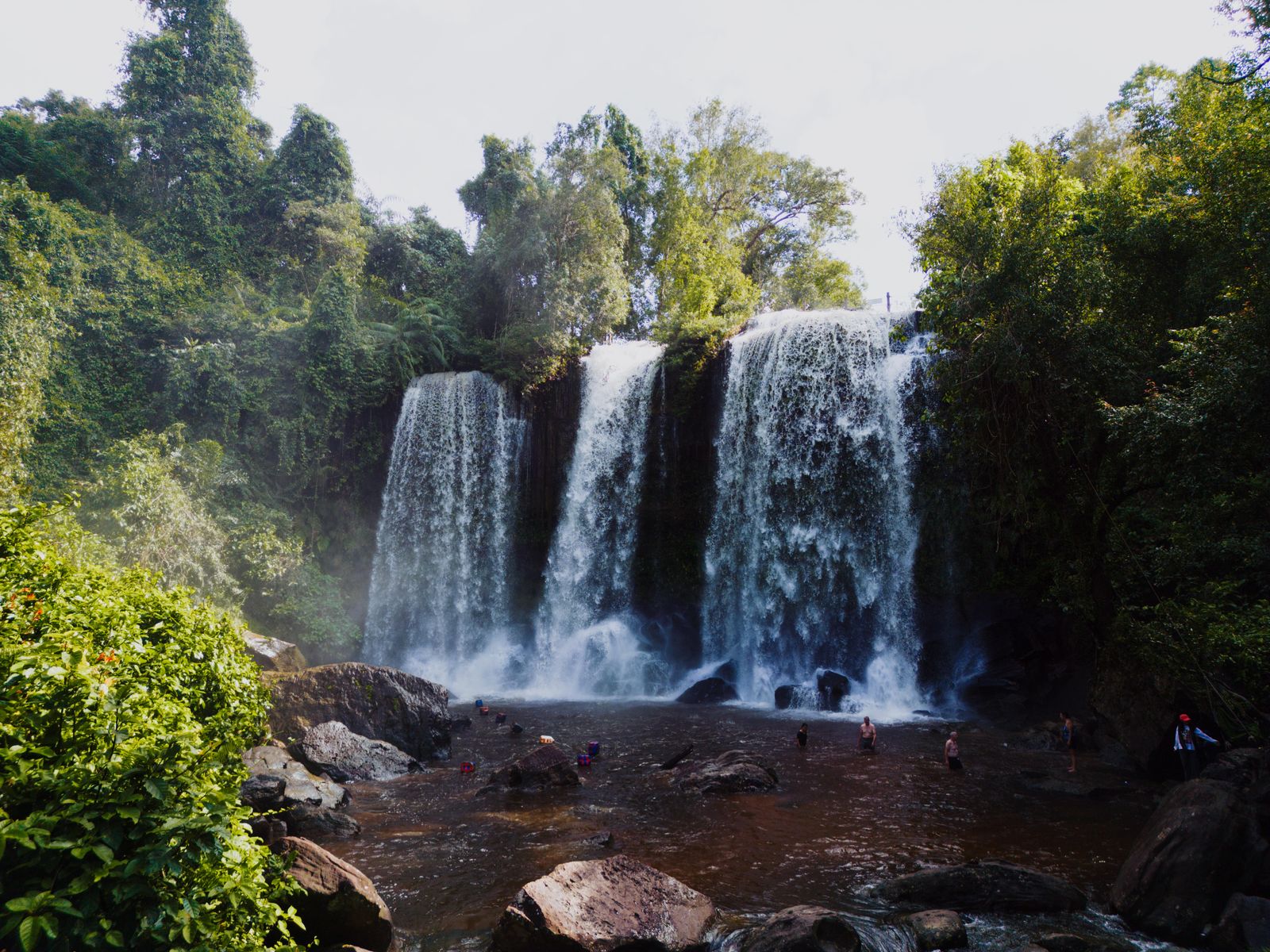
Two waterfalls on the mountain — a smaller upper falls and a larger lower falls with a swimmable pool — are a popular cooling-off stop after the climb to the shrines. Flow is best shortly after the wet season; by the height of the dry season they can run thin.
Birthplace of Angkor
In 802 AD, Jayavarman II was consecrated here as a “god-king,” an event historians mark as the founding moment of the Khmer Empire that would later build Angkor. Carved riverbed reliefs on the mountain (distinct from the separately-ticketed Kbal Spean site nearby) reflect this deep religious significance, predating Angkor Wat by over three centuries.
Not the Same as Kbal Spean
Phnom Kulen is sometimes confused with Kbal Spean, the “River of a Thousand Lingas,” which sits on the same general plateau but is a separate site with its own entrance, reached by a 1,500m forest walk and covered by the standard Angkor Pass rather than Phnom Kulen’s $20 ticket. The two are not interchangeable and visiting one does not grant access to the other.
How to Get to Phnom Kulen
The mountain is about 50km (1–1.5 hours) north of Siem Reap town by car or tuk-tuk.
- Tuk-tuk: A full-day hire from Siem Reap, typically $25–35 depending on negotiation
- Private car/driver: A comfortable option given the distance and the one-way uphill road timing
- Arrive early: The access road only allows uphill traffic until around 11:30am, so a late start can mean missing the window entirely
Best Time to Visit
Visit in the dry season (November–March) for easier walking between sites, or just after the wet season for the waterfalls at their fullest. Arrive as early as possible given the one-way road schedule.
Practical Information
- $20 entry ticket, purchased on site — separate from any Angkor Pass you may already hold
- Modest dress is expected at Preah Ang Thom, as at any active Buddhist shrine
- The site is spread out — a vehicle and driver who knows the layout saves considerable time
- Swimming is possible at the lower waterfall; bring a swimsuit and water shoes
Nearby Attractions
Kbal Spean’s carved riverbed and the temples of the main Angkor Archaeological Park are both within range of a Siem Reap base, though each requires its own separate ticket and trip.
Nearby Attractions in Siem Reap
 temple
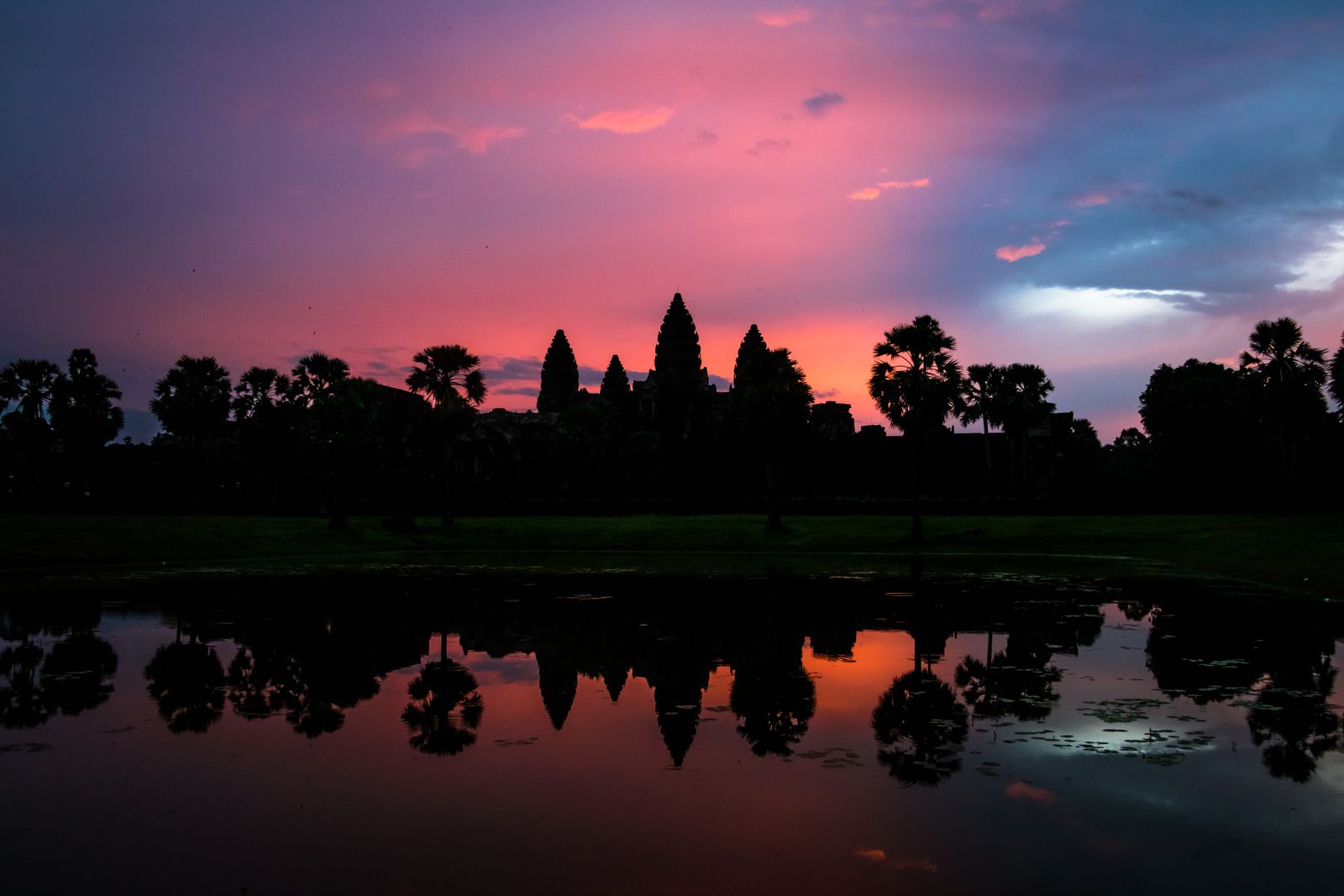
 Angkor Wat
The World's Largest Religious Monument
 temple
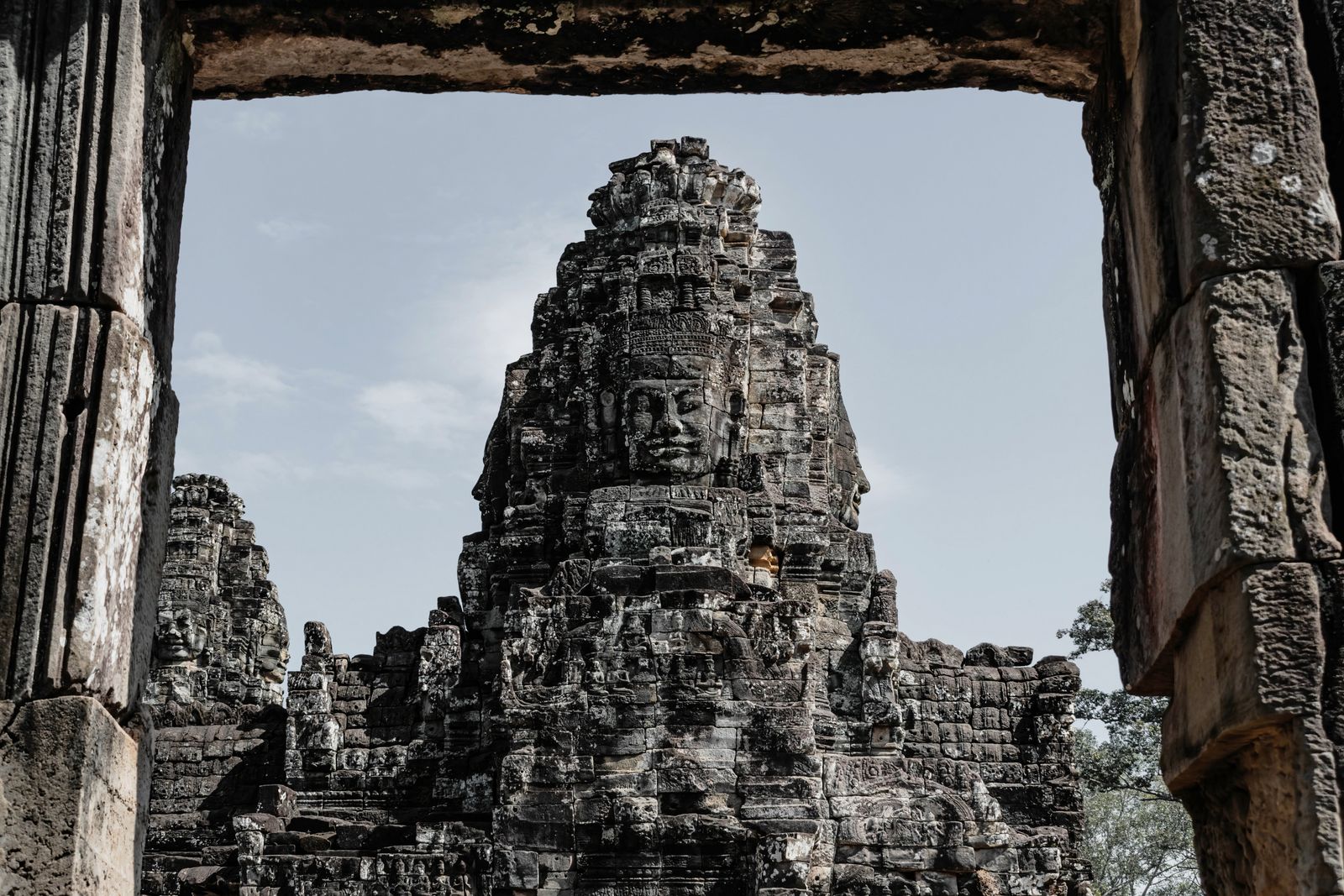
 Bayon
216 Serene Stone Faces at the Heart of Angkor Thom
 temple
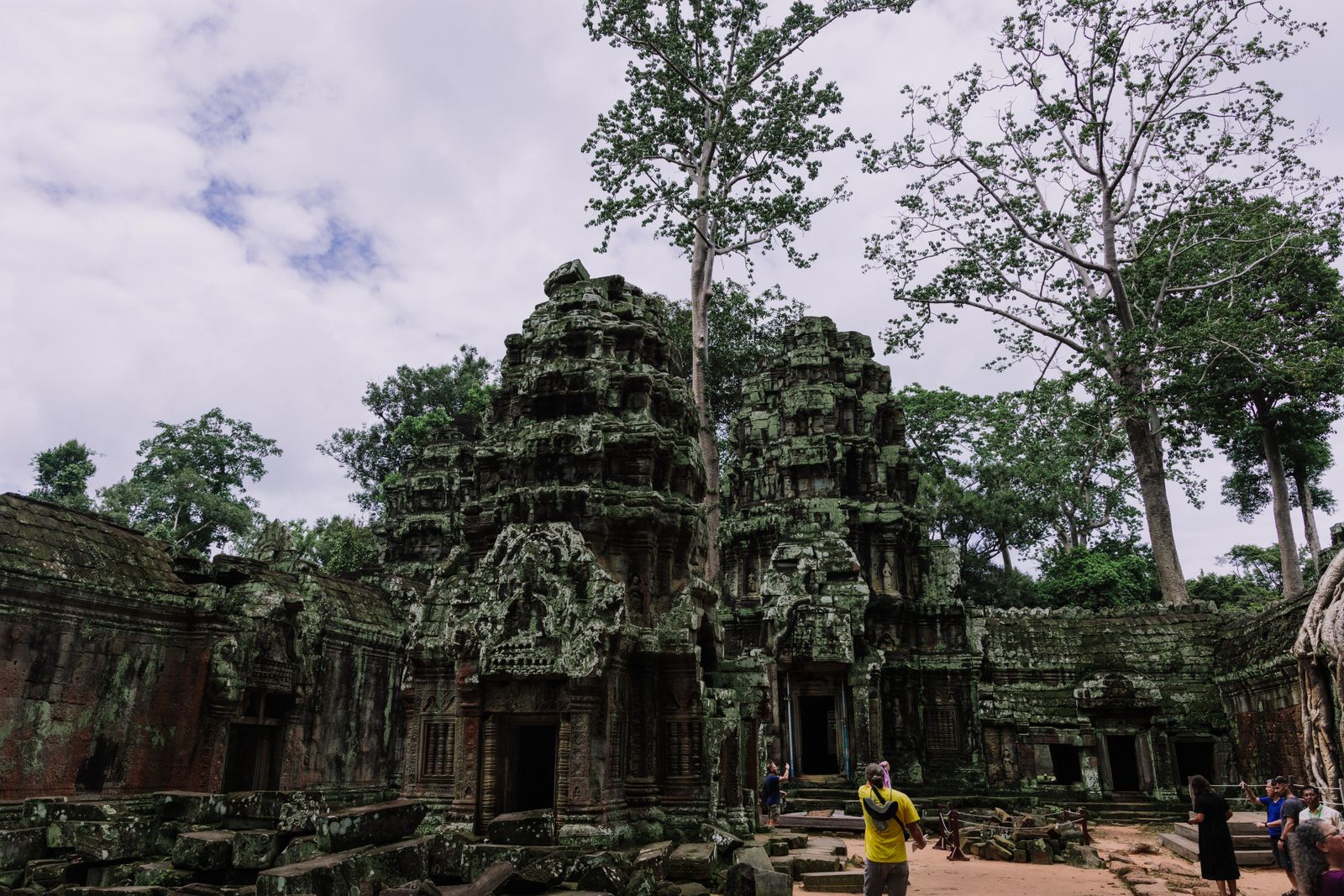
 Ta Prohm
Jungle-Swallowed Ruins Left Deliberately Unrestored
 temple
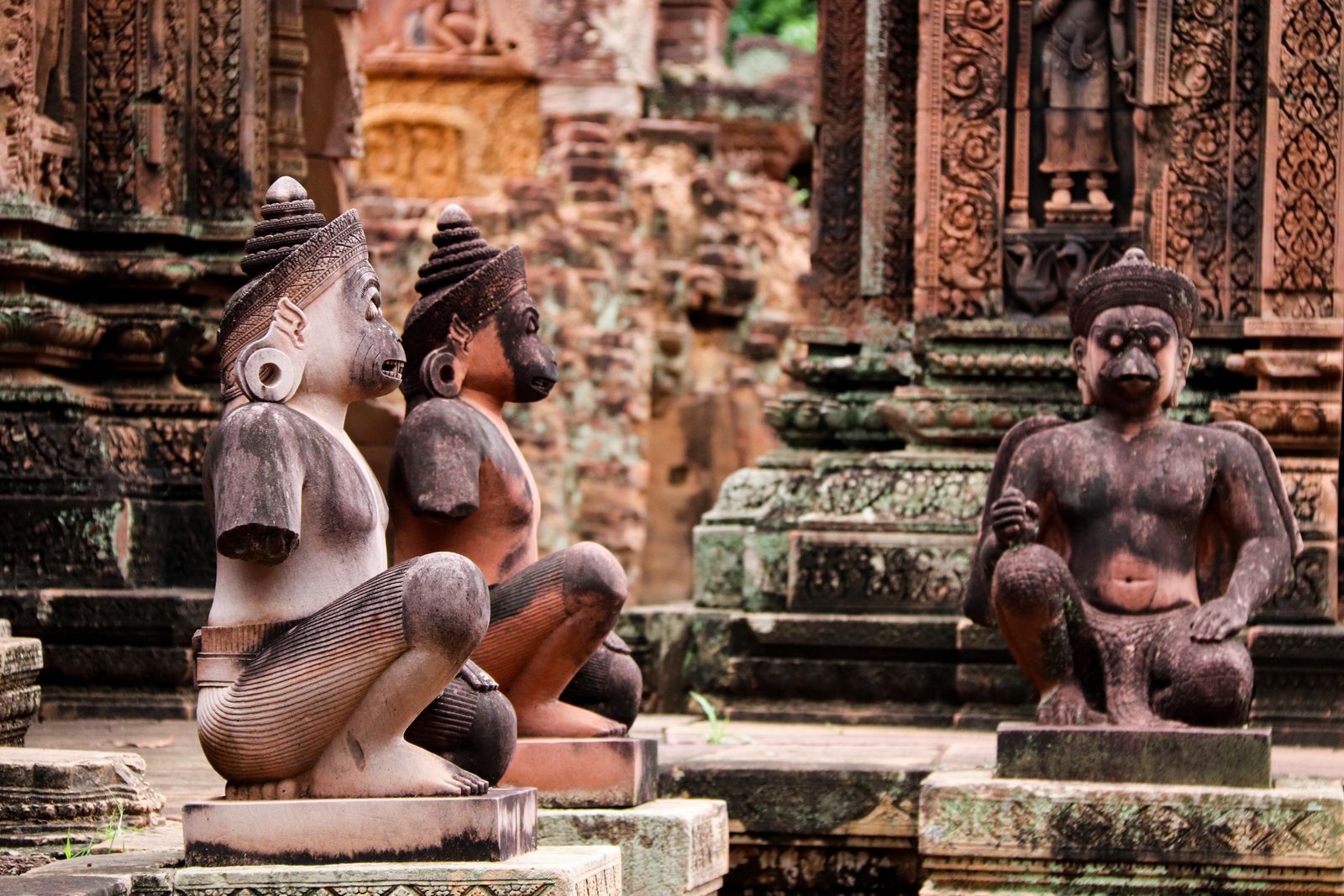
 Banteay Srei
The Finest Stone Carving in the Khmer World
Useful Links
Practical Info
- Entry Fee
- $20 USD (foreigners) — a separate ticket, not covered by the Angkor Pass
- Opening Hours
- 7:00 AM – 5:00 PM; the summit access road runs one-way uphill only until around 11:30 AM, downhill traffic only after
- Time Needed
- Half day to full day
- Best Time
- November to March for easy trails; shortly after the wet season for the waterfalls at full flow