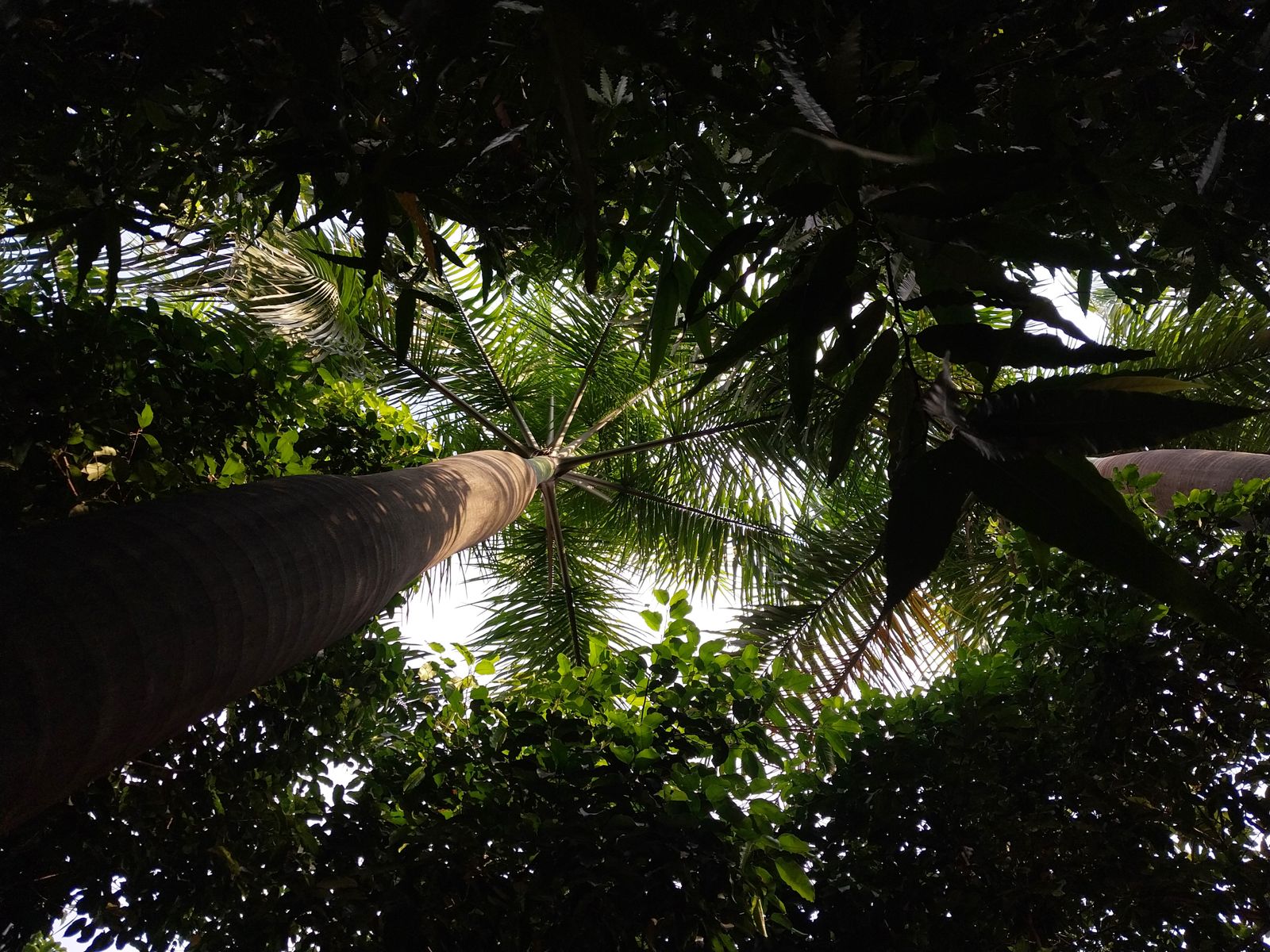
Jungle & Nature in Cambodia
Cardamom Rainforests & Wild Rivers
Quick Answer
Cambodia's wildest experiences are in the Cardamom Mountains, Mondulkiri's elephant country, and along the Mekong where endangered Irrawaddy dolphins still swim. Beyond the rainforest, sacred Phnom Kulen and the misty ruins of Bokor Mountain add waterfalls and history to the mix, while Kirirom and Kep National Park offer easy day-trip nature close to Phnom Penh and the coast. The dry season (November to April) is best for trekking; the green season brings waterfalls to full dramatic flow.
Top Jungle & Nature Experiences in Cambodia
Editor-curated picks — click any experience to explore further.
- 1 Wildlife
Elephant Valley Project
Mondulkiri
No-ride, no-performance sanctuary — walk alongside elephants in the forest
- 2 Nature
Phnom Kulen National Park
Siem Reap
Birthplace of the Khmer Empire, with jungle waterfalls and a sacred reclining Buddha
- 3 Trekking
Chi Phat Eco-Trekking
Koh Kong
Award-winning community eco-tourism deep in the Cardamom Mountains
- 4 Nature
Bou Sra Waterfall
Mondulkiri
Multi-tiered cascade plunging into jungle pools — most dramatic in the green season
- 5 Nature
Yeak Laom Volcanic Lake
Ratanakiri
Sacred circular crater lake — crystalline water, indigenous cultural significance
- 6 Wildlife
Irrawaddy Dolphin Watching at Kampi
Kratie
A recovering population of critically endangered river dolphins, boat trips from Kratie
- 7 Nature
Bokor National Park
Kampot
Misty abandoned French hill station with a working hilltop pagoda and coastal views
- 8 Trekking
Virachey National Park
Ratanakiri
Cambodia's largest protected wilderness — multi-day guided treks only
- 9 Nature
Kirirom National Park
Kampong Speu
Cambodia's first national park — cool pine forest two hours from Phnom Penh
- 10 Nature
Kompong Phluk Flooded Forest
Siem Reap
Stilt village and submerged forest, paddled by canoe at high water on the Tonle Sap
- 11 Adventure
Tatai River & Waterfall
Koh Kong
Kayak through limestone karst and rainforest to a jungle waterfall
- 12 Nature
Ream National Park
Preah Sihanouk
Mangroves, beaches, and dugongs minutes from Sihanoukville
The Cardamom Mountains — Rainforest Wilderness
Stretching across southwest Cambodia, the Cardamoms are one of the largest remaining blocks of tropical forest in Southeast Asia — and home to the country's best community-run trekking.
Chi Phat
Koh Kong
A former hunting village now run by ex-hunters turned trekking guides
Tatai River & Waterfall
Koh Kong
Kayak through karst and jungle to a swimmable waterfall
Botum Sakor National Park
Koh Kong
Cambodia's largest national park — rainforest, mangrove, and elephant corridors
Kirirom National Park
Kampong Speu
Cambodia's first national park, with cool pine forest and royal-era ruins
Phnom Aural
Kampong Speu
A multi-day trek to Cambodia's highest peak at 1,813m
Phnom Samkos Wildlife Sanctuary
Pursat
Deep Cardamom wilderness reached by community trek from Osoam village
Mondulkiri — Elephants & Highland Waterfalls
The northeastern highlands feel like a different country — red laterite roads, pine forests, and a resident elephant herd roaming semi-wild.
Ratanakiri — Crater Lakes & Jungle Treks
Cambodia's remote northeast corner, bordering Laos and Vietnam.
The Mekong River — Dolphins & River Trails
A 180km stretch of the Mekong between Kratie and the Lao border shelters one of the world's last populations of Irrawaddy river dolphins.
Kampi Dolphin Pool
Kratie
Cambodia's most reliable spot to see wild Irrawaddy dolphins
Mekong Discovery Trail
Kratie
Cycling and kayaking routes through river islands and flooded forest
Anlong Cheuteal Dolphin Pool
Stung Treng
A quieter dolphin pool near the Lao border, paired with flooded-forest wetlands
Tonle Sap & Siem Reap Highlands
Beyond the temples, Siem Reap province holds a sacred mountain and the country's most striking flooded-forest scenery.
Southern Hills & Coastal Parks
Kampot, Kep, and the coast pack waterfalls, caves, and national parks into easy day trips from the south coast.
Bokor National Park
Kampot
A misty mountaintop ghost town with an active pagoda and coastal views
Tek Chhouu Waterfall
Kampot
Kampot's easiest riverside escape — rapids, rock pools, and a picnic spot
Phnom Kampong Trach
Kampot
A limestone karst riddled with cave shrines and a swimming cave
Kep National Park
Kep
A jungle loop trail above Kep town, ending at a Gulf of Thailand sunset viewpoint
Ream National Park
Preah Sihanouk
Mangroves, beaches, and dugongs minutes from Sihanoukville
Jungle & Nature for Every Type of Traveler
Wildlife Watcher
The Elephant Valley Project in Mondulkiri and dolphin boat trips at Kampi are world-class wildlife experiences with almost no crowds.
See itineraryTrekker
Chi Phat in Koh Kong offers 2–5 day forest treks with former hunters as wildlife guides. Virachey and Phnom Aural are for the seriously adventurous.
See itineraryFamily
Mondulkiri's Elephant Valley Project is ideal for families — gentle walks alongside elephants with expert naturalist guides. Yeak Laom and Tek Chhouu are easy swimming stops.
See itineraryEco Traveller
Chi Phat's community model is one of Southeast Asia's best eco-tourism projects. Your visit directly supports forest conservation and ex-poacher livelihoods.
See itineraryWhere in Cambodia?
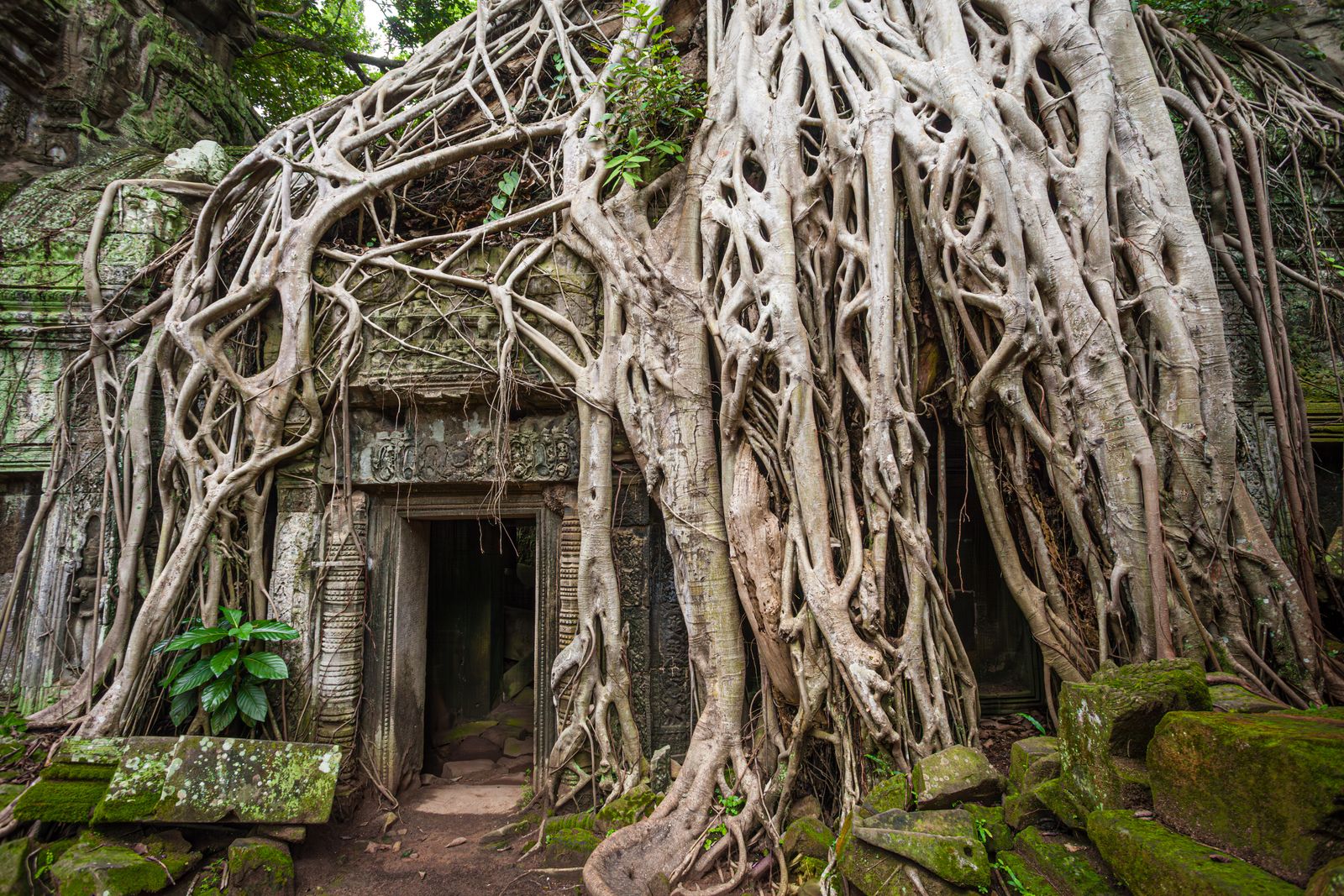
Siem Reap
Gateway to the Ancient World
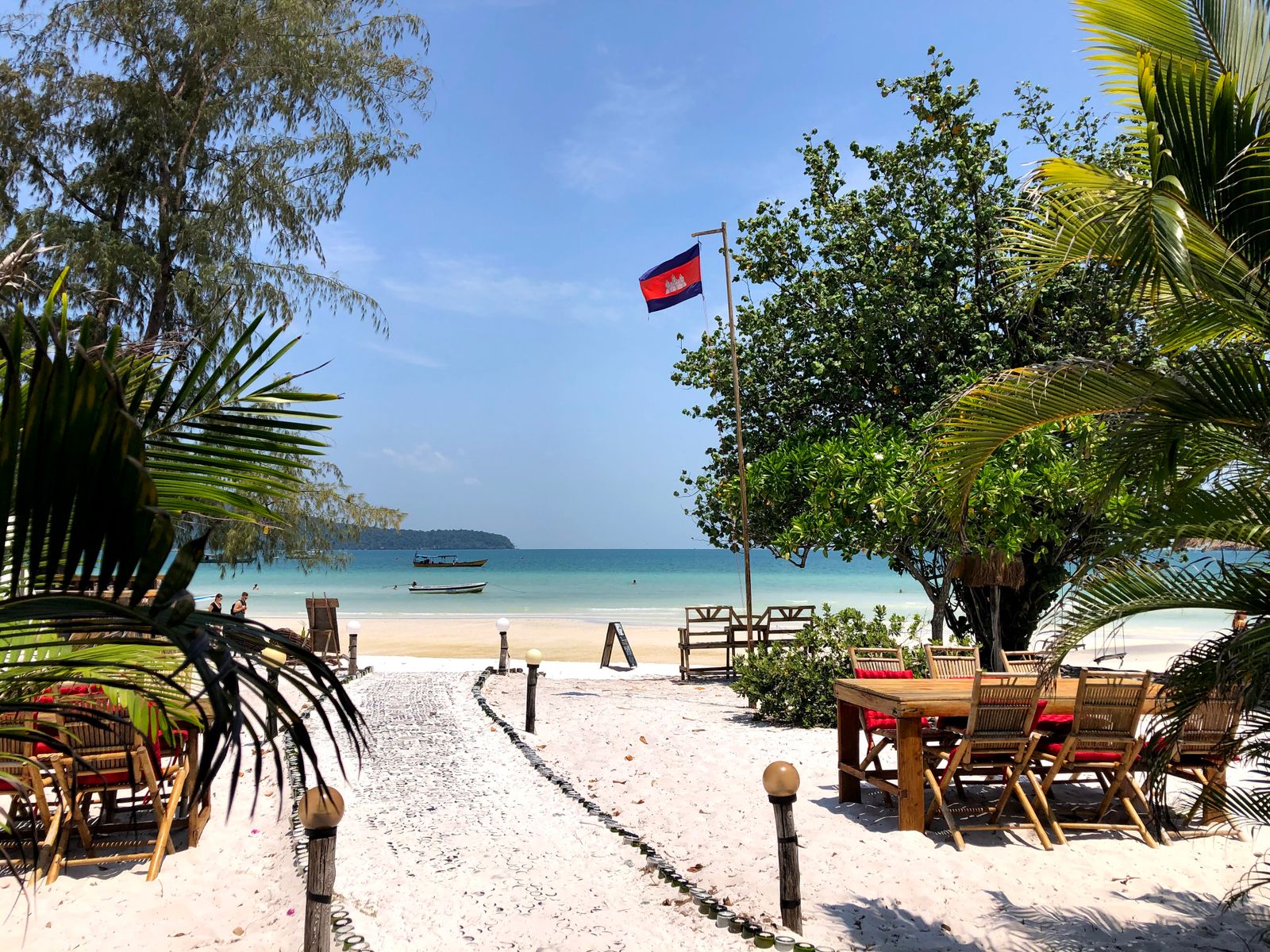
Preah Sihanouk
Tropical Islands & Gulf of Thailand Beaches

Kampot
Riverside Charm, Famous Pepper & Crab

Kratie
River Town & Irrawaddy Dolphins
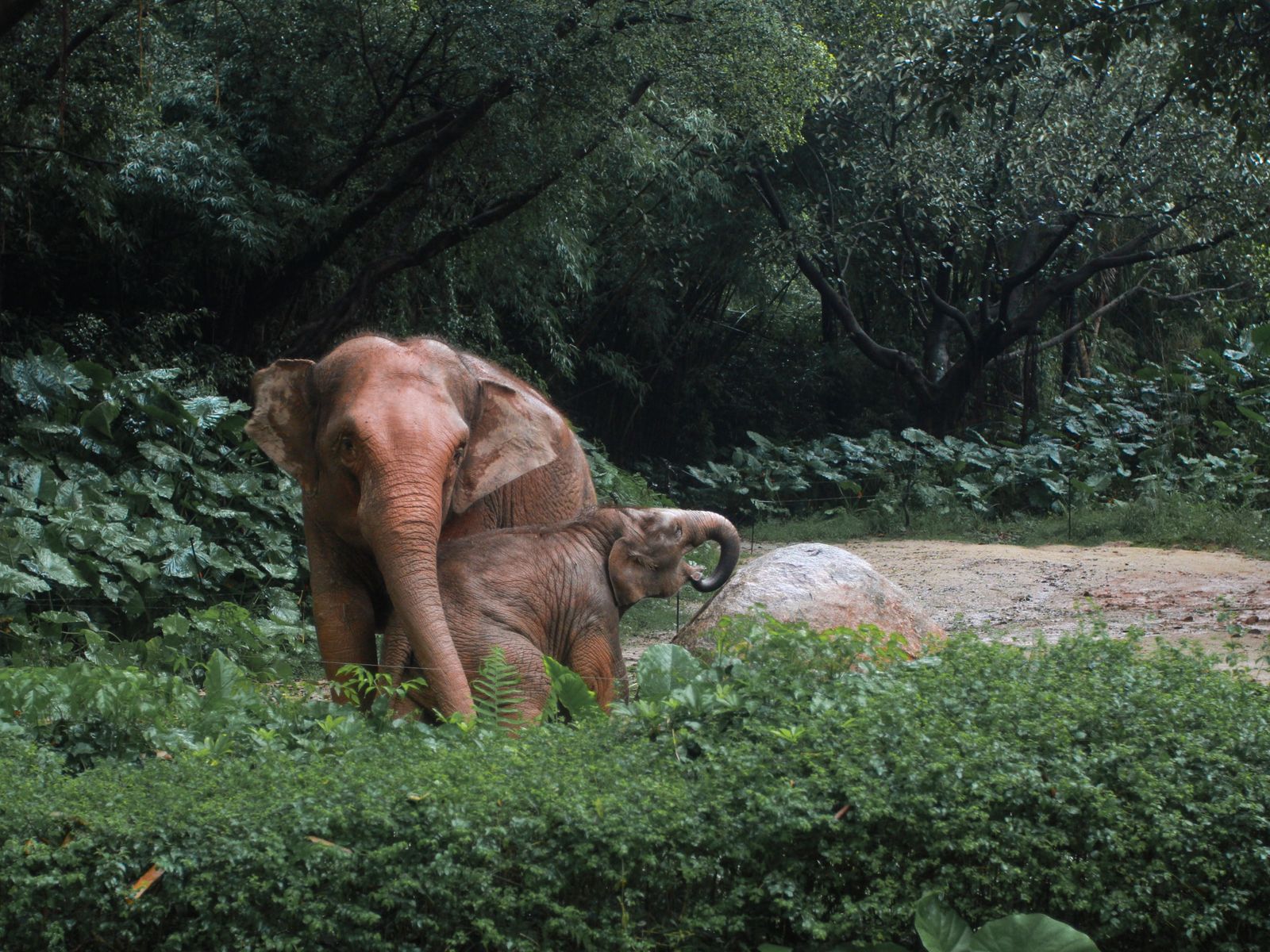
Mondulkiri
Wild Elephants & Highland Forests

Koh Kong
Cardamom Rainforest & Wild Rivers

Ratanakiri
Crater Lakes, Jungle Treks & Minority Villages

Kep
Crab, Beaches & Pepper Plantations
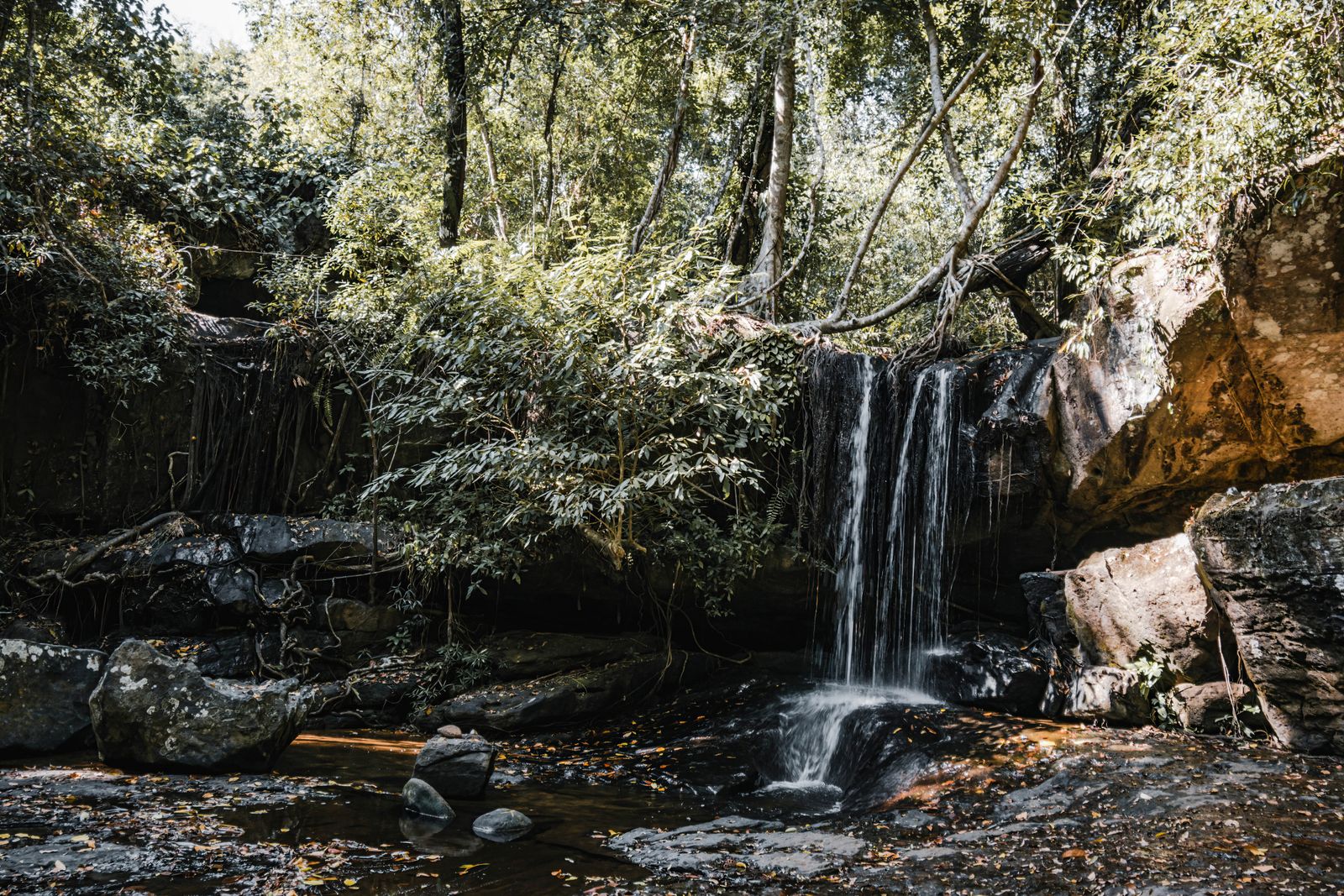
Kampong Speu
Cardamom Highlands Gateway
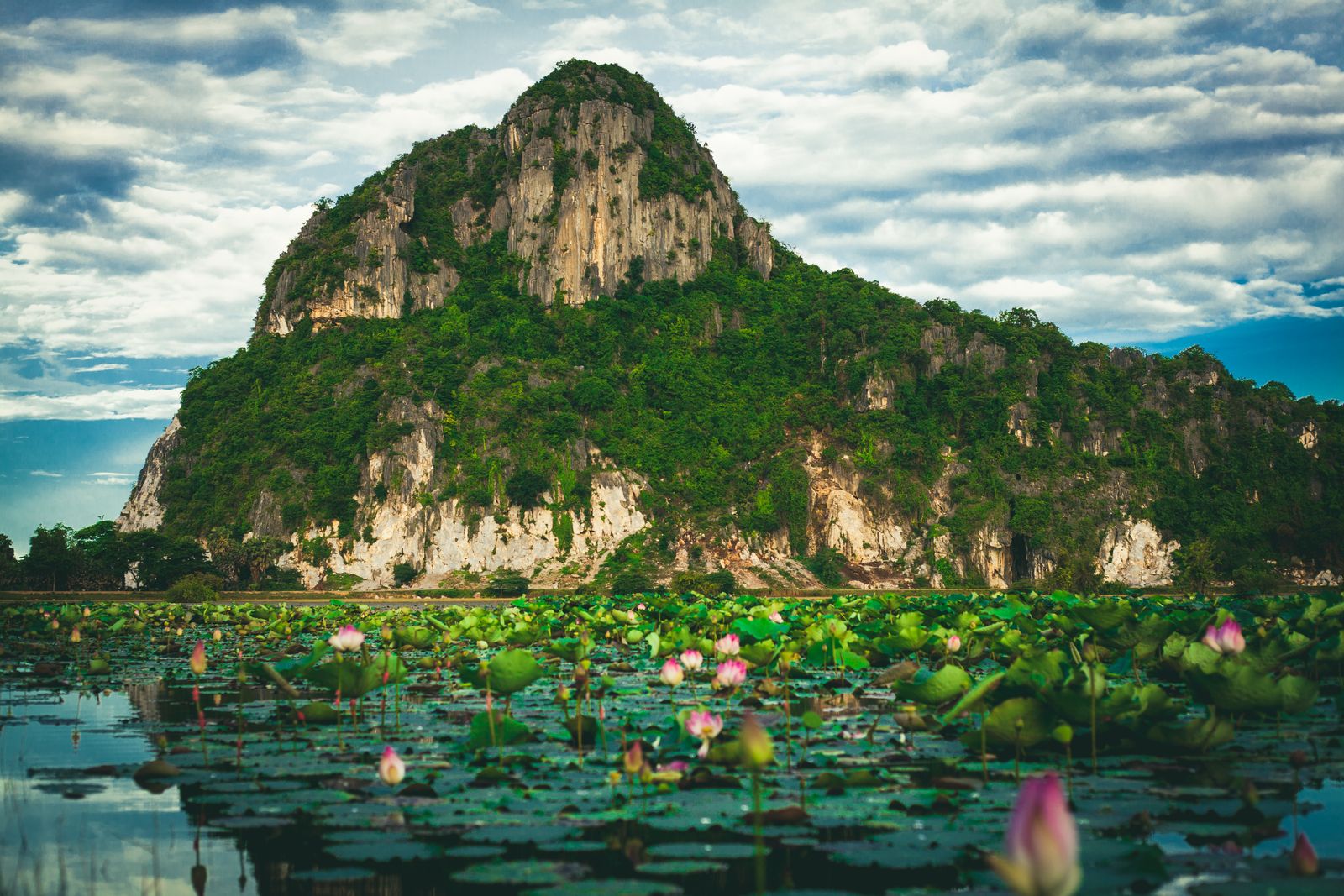
Pursat
Cardamom Mountains & Tonle Sap

Stung Treng
Mekong Dolphins & River Wilderness
Best Time for Jungle & Nature in Cambodia
Dry Season — Nov to Apr
Clear skies, cool temperatures, and easy access across Cambodia. Ideal for temples, trekking, and beach visits. Peak season (Dec–Jan) brings the most visitors and highest prices — book accommodation in advance.
RecommendedGreen Season — May to Oct
Lush green landscapes, fewer crowds, lower prices, and full-flow waterfalls. Rain falls mostly in afternoon downpours — mornings are often clear. Bioluminescence peaks on the coast. Temples are quieter and photogenic with moody skies.
Budget-friendlyHow to Experience Jungle & Nature in Cambodia
Getting There
Most visitors fly into Phnom Penh (PNH) or Siem Reap (REP). Budget carriers including AirAsia and Bangkok Airways connect both cities to regional hubs. Overland from Thailand or Vietnam is straightforward and popular.
What to Bring
Lightweight, breathable clothing. Temples require covered shoulders and knees — a scarf doubles as both cover-up and temple-appropriate wear. Reef-safe sunscreen for coastal areas. A good insect repellent for jungle and evening activities.
Guided vs Self-Guided
Most Cambodian experiences can be done independently. Guided tours add significant value at historical sites (context, access, storytelling) and for wildlife experiences (safety, specialist knowledge). Licensed guides cost $30–50/day and are available through hotels.
Budget Guide
Cambodia is excellent value. Budget travellers: $30–50/day (dorm, street food, local transport). Mid-range: $60–100/day (guesthouse, restaurant meals, tuk-tuk). The Angkor Pass is $37/day or $62 for 3 days — the main fixed cost for temple visitors.
Suggested Itineraries
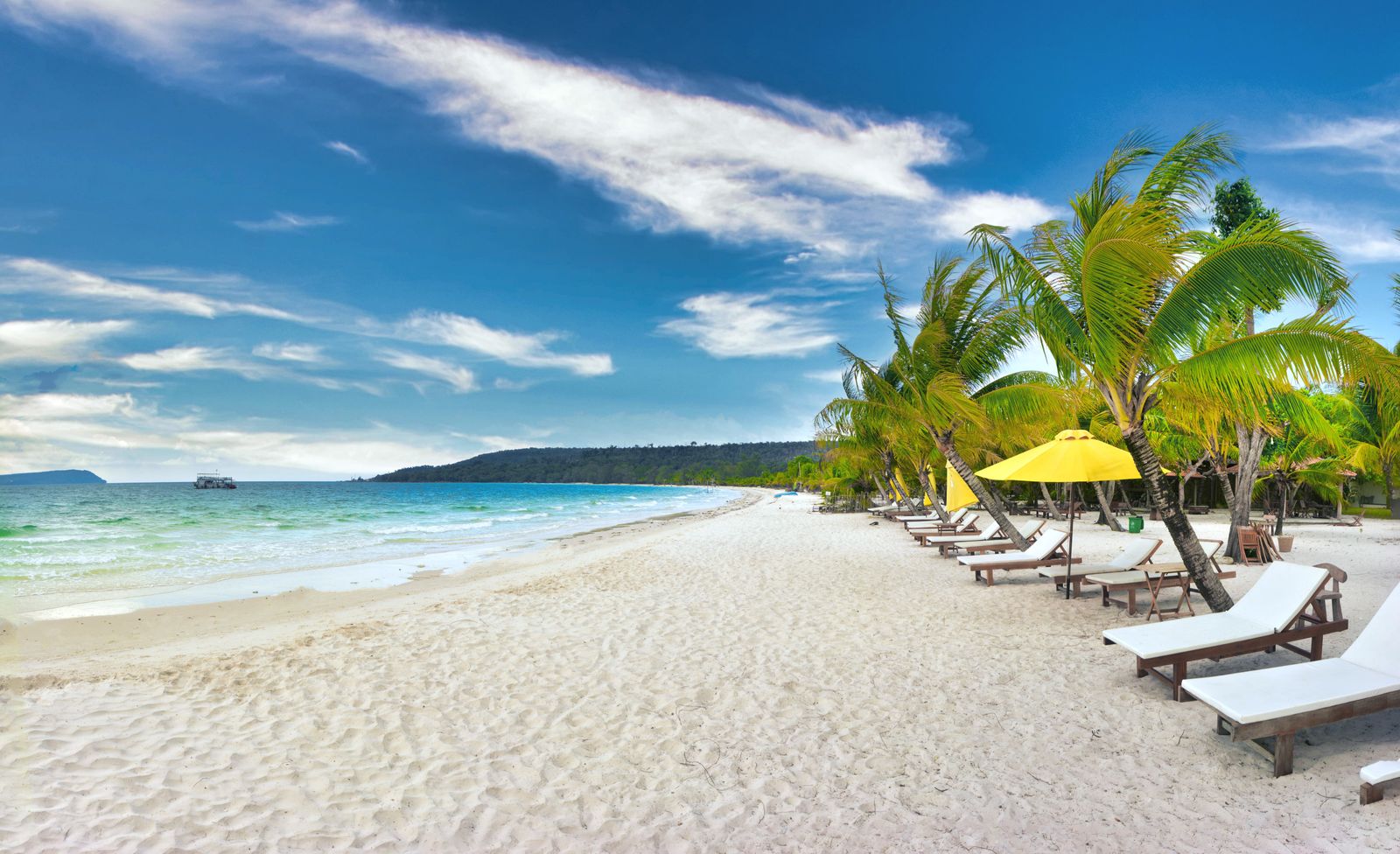
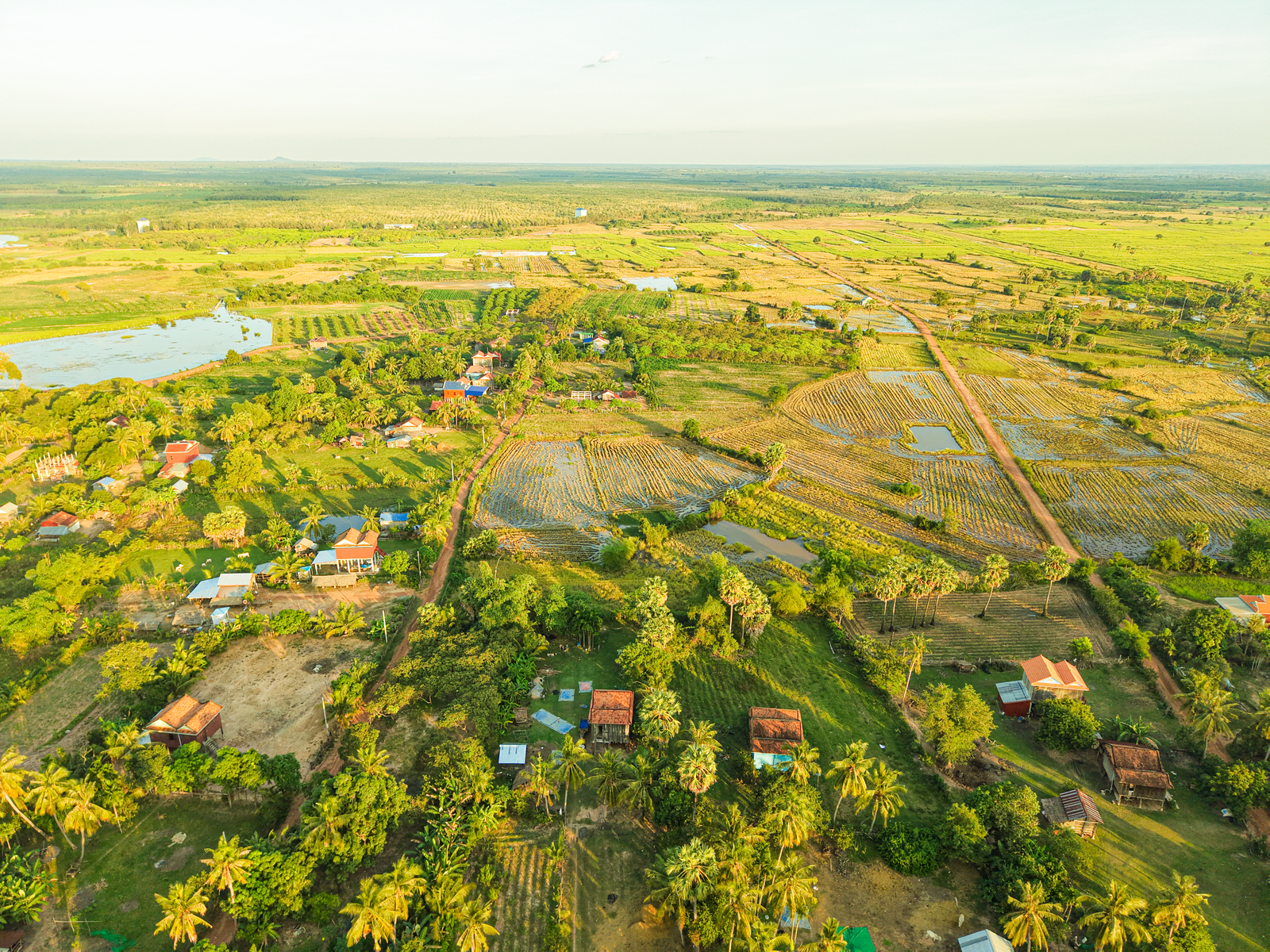
Frequently Asked Questions
What wildlife can you see in Cambodia?
When is the best time for wildlife watching in Cambodia?
Is trekking in Cambodia safe?
What is the Elephant Valley Project?
Can you swim in Cambodia's rivers and lakes?
How much does it cost to visit Cambodia's national parks?
Plan Your Cambodia Trip
Get expert advice on visas, the best time to visit, budgets, and curated itineraries built around what you love most about Cambodia.