Cambodia’s tourism industry is still rebuilding itself after decades of conflict, and the choices visitors make — which tours to book, which animal encounters to support, whether to visit an orphanage — have an outsized effect here compared to more established destinations. None of this needs to make your trip feel like homework; mostly it means choosing the better of two similar-looking options.
Temple Etiquette
Cambodia’s temples are active religious sites, not museum exhibits, even the ones inside the Angkor Archaeological Park.
Do: cover your shoulders and knees (strictly enforced at the upper sanctuaries of Angkor Wat and most active pagodas), remove your shoes before entering any building with a Buddha image, walk clockwise around stupas and shrines, and ask before photographing monks — many are happy to be photographed, but asking first is basic courtesy, not a formality.
Don’t: climb on ruins or carvings for a photo, touch Buddha statues, point your feet at a Buddha image or a monk while seated, or take photos inside active prayer halls during a ceremony without explicit permission. Women should never touch a monk or hand him something directly — place it on a cloth or table within his reach instead.
Do Not Visit Orphanages
This is the single most important piece of advice in this guide. “Orphanage tourism” — paying to visit, volunteer at, or donate directly to children’s homes — has become a serious problem in Cambodia. Investigations by UNICEF and child protection NGOs have repeatedly found that the large majority of children in Cambodian orphanages have at least one living parent, and that the existence of an income stream from tourist visits and volunteer fees directly incentivises some institutions to recruit children from poor families rather than support family reunification.
Even well-intentioned visits — a few hours singing songs with kids, handing out sweets — normalise a stream of strangers moving through children’s lives, which child psychologists generally regard as harmful regardless of the visitors’ intentions.
If you want to help: donate to or volunteer with organisations that work to keep children in families and communities rather than institutions — Friends-International, Children’s Action for Development (CAD), and Smiling Gecko are established, credible options operating in Cambodia.
Ethical Wildlife Experiences
Several long-running Cambodian tourist activities are now widely recognised as harmful to the animals involved, even when marketed as “sanctuaries”:
- Elephant riding — saddle-based riding causes lasting spinal and joint damage; the training methods historically used to make elephants compliant for riding are frequently abusive.
- Tiger and other big-cat selfies — animals used for this are typically drugged, declawed, or have had teeth removed.
- Crocodile and wildlife “farms” marketed as attractions are often functionally just for meat, skin or the pet trade rather than conservation.
- Wildlife markets selling live or dead protected species, sometimes openly, particularly near the Vietnamese and Thai borders.
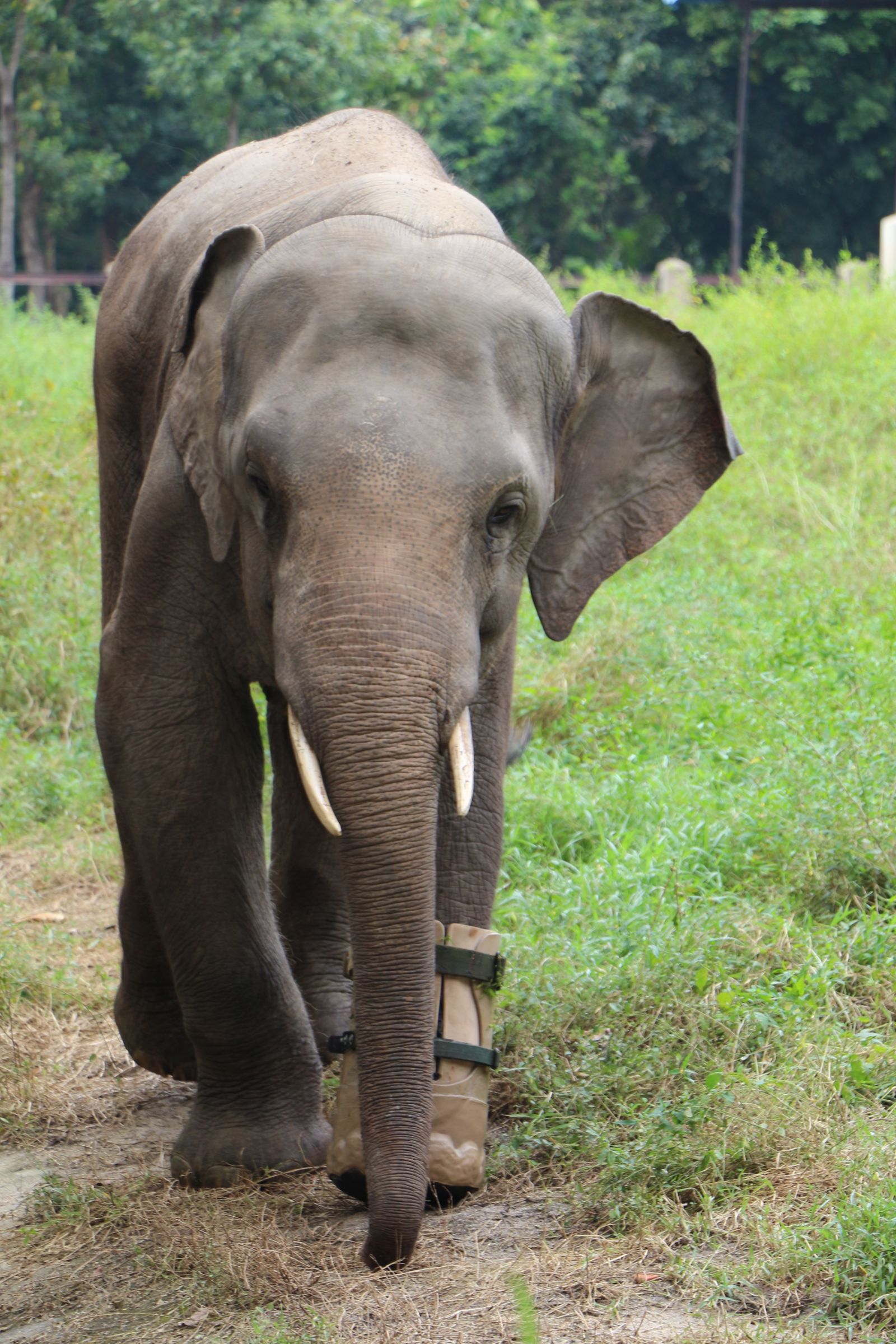
The genuinely ethical alternative: the Elephant Valley Project in Mondulkiri, founded in 2006, was the first organisation in Cambodia to rescue captive elephants from logging and tourist-riding work and let them live semi-wild in protected forest — visitors observe rather than ride, and the model has since been replicated by several other operators in the area. Worth verifying directly with any “sanctuary” whether riding is offered (a genuine sanctuary never offers riding) before booking. The Kratie riverside dolphin-watching boats for the critically endangered Irrawaddy dolphin, and bird-watching at the Tonle Sap’s Prek Toal sanctuary, are both low-impact, observation-only wildlife experiences worth prioritising instead.
Supporting Local Communities Directly
- Buy from artisan cooperatives rather than mass-produced souvenir stalls — organisations like Artisans Angkor train and employ Cambodians in traditional crafts (silk weaving, stone and wood carving, lacquerware) at fair wages, with visible workshops you can tour before buying.
- Hire local, licensed guides rather than relying solely on foreign-run tour companies — the Cambodia Tour Guide Association certifies guides across the country, and a good local guide adds context (and income directed straight to a Cambodian household) that a generic group tour won’t.
- Choose locally-owned guesthouses and restaurants over international chains where the option exists — the difference in where your money ends up is substantial in a country where tourism is one of the largest employers.
- Eat Khmer food at Khmer-run restaurants — beyond the obvious benefit to local business, training restaurants like Phnom Penh’s Romdeng and Friends, which employ former street youth, channel your meal cost directly into vocational training.
Environmental Impact
Cambodia has a serious plastic waste problem, particularly visible around the islands and the Tonle Sap. Practical steps that make a real difference: carry a reusable water bottle and use the increasingly common refill stations in Siem Reap and on the islands rather than buying bottled water daily; choose eco-certified accommodation where available, especially in the Cardamom Mountains and on the smaller islands; stay on marked trails in national parks rather than cutting through undergrowth; and use reef-safe sunscreen before swimming around Kep, Koh Tonsay or the outer islands, where coral cover is already under pressure.
Frequently Asked Questions
Is it ever okay to visit an orphanage in Cambodia? As a tourist, no — even short, well-meaning visits contribute to a system that child protection experts widely agree causes harm. Support family-strengthening NGOs instead.
How can I tell if an elephant experience is genuinely ethical? A real sanctuary never offers riding, bathing-as-a-performance, or close unsupervised contact for photos — it should look more like wildlife observation from a respectful distance than an attraction.
Is it disrespectful to take photos of monks? Not inherently, but ask first, and never use flash or interrupt a ceremony. Most monks are comfortable being photographed when asked politely.
Can I give money or sweets directly to children who beg? It’s generally discouraged — it can incentivise children being kept out of school for begging. Donating to an established local NGO has a more reliable, lasting impact.
What’s the single most useful thing I can do as a responsible traveller in Cambodia? Choose locally-owned businesses and guides over foreign-run alternatives wherever the choice exists — it’s the simplest lever with the most direct, visible local benefit.
Related Articles

Sophea Rithy
Southeast Asia specialist. 7 years living in Phnom Penh.
Ready to Visit Cambodia?
Browse itineraries, destinations, and everything you need to plan your trip.