Every guidebook will tell you November to March is “the” time to visit Cambodia, and for good reason — it’s dry, cool-ish, and predictable. But Cambodia’s tourism board has started calling May to October the “Green Season” instead of “rainy season,” and the rebrand is more honest than it sounds. This is when the country looks like the postcards.
What Actually Happens in the Green Season
Rain in Cambodia rarely means an all-day washout. The typical pattern is a clear, often very hot morning, building cloud through the afternoon, and a concentrated downpour — usually 1–2 hours — in the late afternoon or evening, followed by clearing skies again. You can plan a full day of sightseeing around it more easily than the word “monsoon” suggests.
The trade-off is humidity, which climbs noticeably from May, and the very real chance of a wetter, greyer multi-day stretch in September and October, the wettest months.
Why the Waterfalls Are Genuinely Better
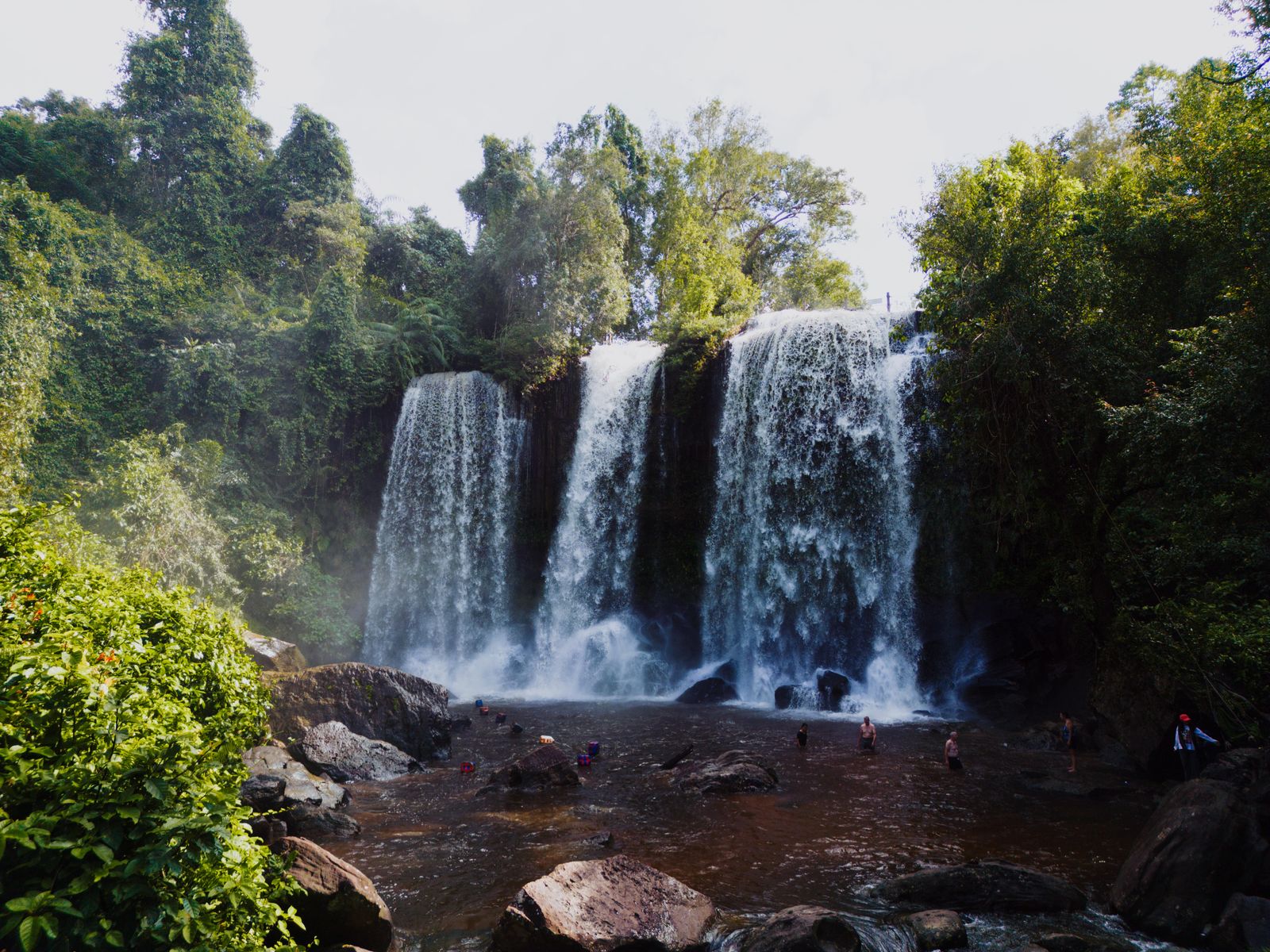
This is the single best argument for green-season travel. Cambodia’s waterfalls — Bou Sra in Mondulkiri, the falls inside Phnom Kulen National Park, Tatai in Koh Kong — are reduced to a trickle by February and roar back to life from June onward. If a waterfall is anywhere on your itinerary, dry season is, counterintuitively, the wrong time to see it at its best.
The Tonle Sap Lake itself transforms too — it expands to roughly five times its dry-season size, and the floating and stilted villages around Kampong Khleang and Kompong Phluk are far more dramatic to visit by boat when the water is high.
Fewer Crowds, Lower Prices
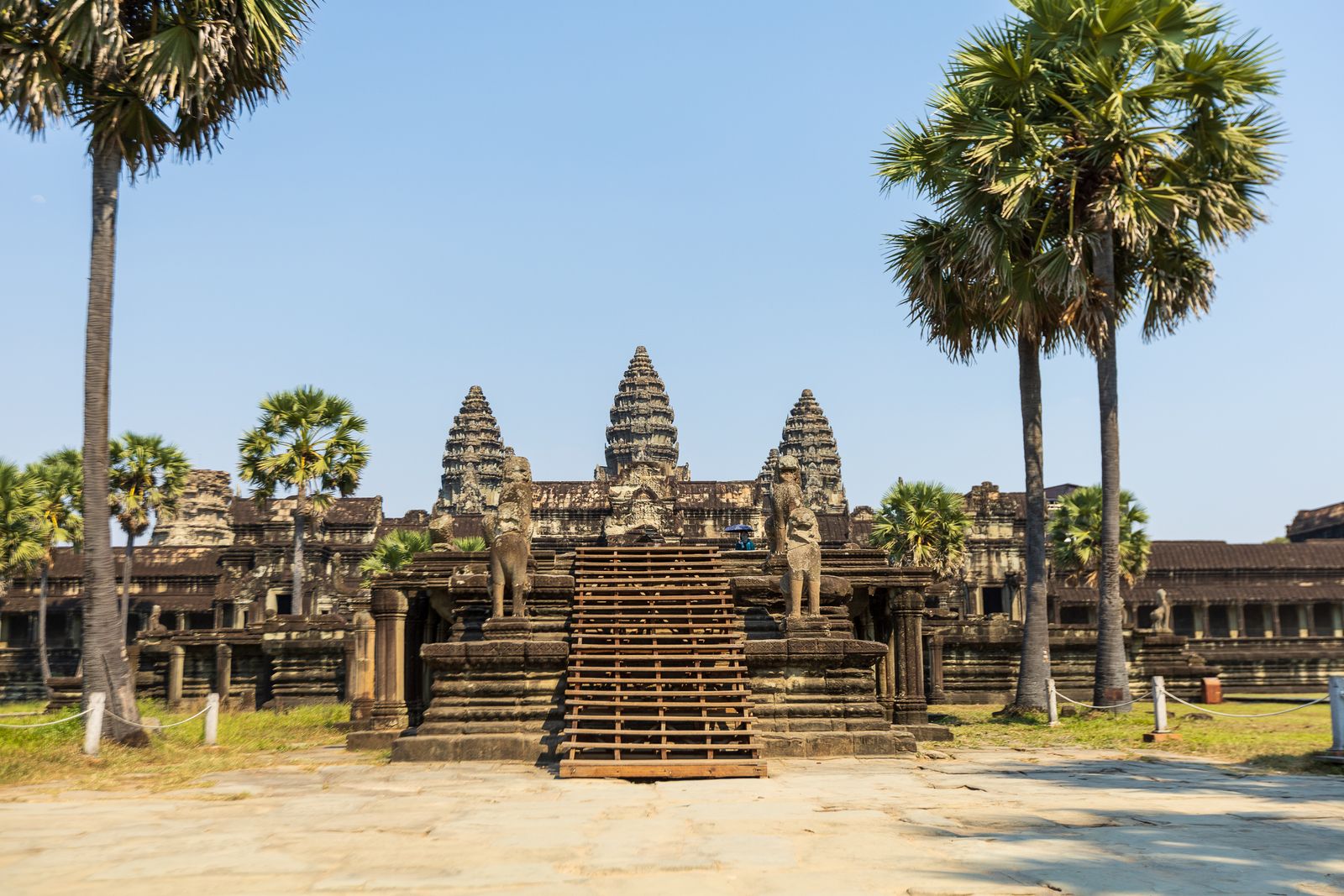
Angkor Wat at sunrise in January means sharing the reflecting pool with hundreds of photographers. In August, you’ll have noticeably more space. Hotel rates across Siem Reap and the coast typically drop 20–40% in green season, and flights are easier to find on short notice. If budget is a real factor in your trip — see our Cambodia budget guide — this is the cheapest several months of the year to visit by a wide margin.
What to Pack Differently
- A proper lightweight rain jacket or poncho, not just an umbrella — afternoon downpours come with wind.
- Quick-dry clothing over cotton; everything stays damp longer in the humidity.
- Waterproof footwear or sandals you don’t mind getting wet — flooding on unpaved roads in rural areas is common after heavy rain.
- A dry bag for your phone and camera, especially for any boat travel on the Tonle Sap or Mekong.
Where Green Season Travel Shines Brightest
Mondulkiri and the Cardamom Mountains are at their absolute best — waterfalls full, jungle canopy a deeper green, and trekking conditions cooler than the dry-season heat (though trails get muddier, factor in sturdier footwear). Siem Reap and Angkor remain fully accessible — none of the temples close for rain, and the moats and reservoirs around Angkor Wat itself look far more impressive full. The coast is the one area worth qualifying: swimming is still fine, but rough seas occasionally cancel ferries to the outer islands like Koh Rong Samloem for a day or two, so build slack into a beach-focused itinerary.
Frequently Asked Questions
Will rain ruin my trip to Angkor Wat? Unlikely. Downpours are usually short and afternoon-concentrated; mornings are typically clear, which is exactly when most people visit the temples anyway.
Is it cheaper to visit Cambodia in green season? Yes, noticeably — hotel rates commonly drop 20–40% compared to peak dry season (November–March).
What’s the wettest month in Cambodia? September and October typically see the heaviest and most sustained rainfall.
Can you still visit the islands in green season? Yes, though seas are rougher than dry season and ferries to the outer islands occasionally pause for a day during storms. The closer coastal beaches (Otres, Kep) are unaffected.
Is green season the same as monsoon season? Roughly, yes — Cambodia’s tourism board now prefers “Green Season” to “rainy season” or “monsoon” because the actual rainfall pattern (short afternoon downpours, not all-day rain) is less disruptive than the older terms suggest.
Related Articles


Sokunthea Keo
Cambodian food and culture expert based in Siem Reap.
Ready to Visit Cambodia?
Browse itineraries, destinations, and everything you need to plan your trip.