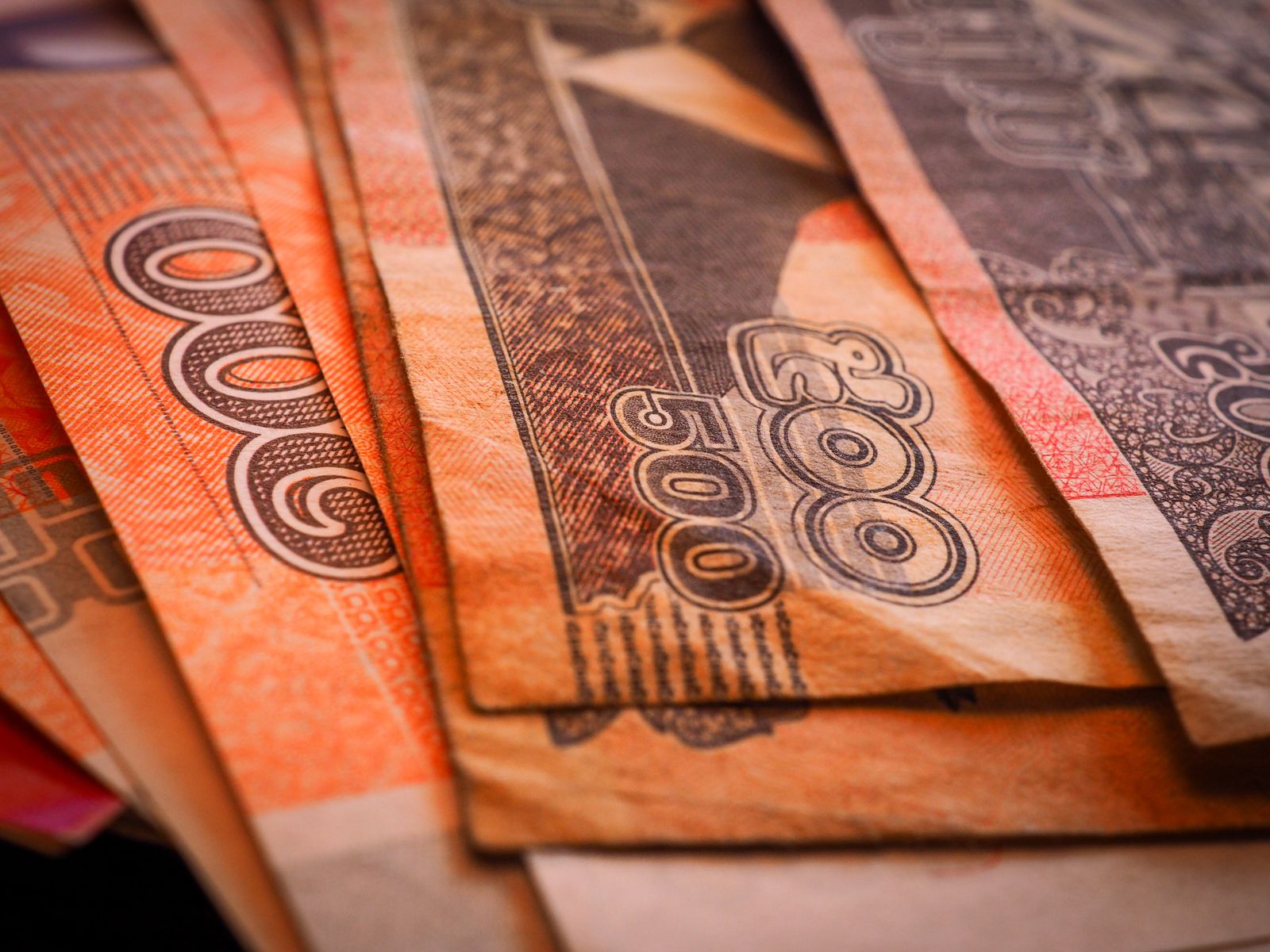
Cambodia is the only country most travellers will ever visit that runs on two currencies at the same time — prices in dollars, change in riel, and an invisible line around $10 that decides which one you’re using. It confuses everyone for about a day. Here’s the whole system, plus the ATM fees and worn-banknote rules that actually catch people out.
The Short Answer
US dollars and Cambodian riel circulate side by side. Dollars handle anything from about $10 up — hotels, tours, restaurants, your Angkor pass. Riel handles everything small: tuk-tuks, market food, water. The everyday maths is simple: $1 ≈ 4,000 riel, and everyone from street vendors to banks rounds at roughly that rate. Pay in either, receive change in either (often both at once) — it all works. Bring clean, undamaged dollar bills, withdraw large amounts rarely (ATM fees are flat), and download a QR payment app.
How the Dual-Currency System Works
There are no coins in Cambodia at all. Anything under a dollar is handled in riel notes — so when your $2.50 lunch meets your $5 bill, you’ll get $2 back plus 2,000 riel, and both parties consider this perfectly normal. Within a day you will too.
A few practical consequences:
- Keep a riel float. A pocket of 1,000 and 2,000 riel notes covers tuk-tuk tips, market snacks and toilets; think of riel as your small change, not a separate currency to “convert.”
- Prices quote in dollars almost everywhere tourists go, riel in local markets. Both are always accepted.
- Don’t exchange money into riel at home — you can’t, effectively, and you don’t need to. Arrive with dollars or a bank card and you’re set.
Cash Rules: The $100-Bill Problem
Cambodian cash culture has one famous quirk: condition matters. Torn, taped, heavily creased, marked or old-series dollar bills get refused — by market stalls, restaurants, sometimes even banks. Inspect every note you’re handed (locals do, openly, and nobody is offended) and reject damaged ones on the spot, because you’ll struggle to pass them on later.
The related nuisance: most ATMs dispense $100 bills, which nobody wants to break for a $3 purchase. Fixes, in order of usefulness:
- Break big notes deliberately at supermarkets, mini-marts and your hotel bar.
- Acleda ATMs are the traditional source of smaller notes, and some machines now stock $20s.
- Pay large fixed costs (hotels, multi-day drivers) in $100s and keep the small bills for the street.
If you bring cash from home, ask your bank for crisp, recent-series notes — $50s and $100s get the best exchange treatment, small bills are handy on arrival day.
ATMs and Their Fees
Foreign cards work in every town on the tourist trail, but flat fees of roughly $4–10 per withdrawal make small withdrawals expensive — the game is few, large withdrawals rather than many small ones. Fee amounts and card-network surcharges (Visa vs Mastercard can differ at the same machine) change frequently, so read the on-screen fee disclosure before confirming and cancel freely — the first machine you try won’t be the cheapest. Withdrawal ceilings run up to $1,000–2,000 per transaction at the majors (Acleda, Canadia, PPCBank, BRED and others), and machines at bank branches beat standalone ones in convenience stores on both fees and reliability. Always decline the machine’s own “convert to your home currency” offer — that dynamic conversion is the worst rate in the country.
KHQR and the Bakong Tourist App
The quiet revolution: Cambodia now runs on KHQR, a national QR-payment standard accepted by literally millions of merchants — noodle carts included. In 2024 the central bank launched the Bakong Tourist app specifically for visitors: download it, top it up (no Cambodian bank account needed), and pay by scanning the red QR code standing on nearly every counter in the country. It solves the small-change problem outright, and vendors increasingly prefer it to handling worn banknotes. You’ll want mobile data live first — here’s the SIM card guide.
Cards, Tipping and Daily Numbers
- Cards (Visa/Mastercard) are accepted at hotels, upmarket restaurants and malls, often with a 2–3% surcharge — treat them as backup, not primary. Cash and QR do the daily work.
- Tipping isn’t obligatory but is genuinely appreciated in one of Asia’s lowest-wage economies: $1–2 for drivers and temple guides’ assistants, small riel round-ups elsewhere, a few dollars a day for a great multi-day guide.
- What it all costs: a realistic $35–60 a day covers most travellers comfortably — the full breakdown by style is in the Cambodia budget guide, and the first-time guide rolls money, visas and SIMs into one arrival checklist.
Related Articles


Piseth Chea
Adventure travel writer covering the Mekong region.
Ready to Visit Cambodia?
Browse itineraries, destinations, and everything you need to plan your trip.