
Lkhon Khol Wat Svay Andet
The Last Troupe of a UNESCO-Listed Masked Dance-Drama
Photo: allPhoto Bangkok, Pexels
Lkhon Khol Wat Svay Andet — Quick Facts
- What is it?
- experience — The Last Troupe of a UNESCO-Listed Masked Dance-Drama
- Where?
- Kandal , Cambodia
- Entry Fee
- Free to observe Sunday practice; the annual full performance is a community ceremony, not a ticketed event
- Opening Hours
- Practice sessions most Sundays; full performance once a year, shortly after Khmer New Year (mid-to-late April)
- Time Needed
- 1–2 hours
- Best Time
- A Sunday for practice, or the week following Khmer New Year for the full annual performance
- Don't Miss
- An all-male, masked dance-drama performed not for money but to propitiate the village's guardian spirits (Neak Ta)
What to See at Wat Svay Andet
The Performance
Lkhon Khol is performed entirely by men in lacquer masks, enacting scenes from the Reamker (Cambodia’s Ramayana) to the accompaniment of a pinpeat percussion orchestra and sung recitation. Considered one of the oldest Cambodian performing arts, possibly dating to the Angkor period, it survives today only at Wat Svay Andet — the last of what were once eight professional troupes nationwide before war disbanded the rest.
A Ceremony, Not a Show
This is not staged for tourists or paid performance: villagers perform Lkhon Khol to propitiate the Neak Ta, guardian spirits believed to protect the community’s land and harvest. Spirit mediums are present during the full performance, and if the spirits are unsatisfied, dancers stop and the audience falls silent to listen — a genuinely different experience from any commercial cultural show in Cambodia.
The Pagoda Community
Wat Svay Andet itself sits on the Mekong in Lvea-em district, with the Lkhon Khol tradition passed down within specific village families rather than taught as professional training.
How to Get to Wat Svay Andet
Wat Svay Andet is about 10km east of Phnom Penh on the Mekong, in Kandal province’s Lvea-em district.
- Private car or tuk-tuk: The most practical option from Phnom Penh, roughly 30–40 minutes each way
- Local guide recommended: Given the ceremonial, non-touristic nature of the practice, visiting with a guide who can liaise respectfully with the community is strongly advised, especially for the annual full performance
Practical Tips
- This is a living ritual for a specific community, not a tourist attraction — dress modestly and follow local guidance on where to stand and when to photograph
- The annual full performance date follows the lunar calendar around Khmer New Year — confirm the exact date locally each year rather than assuming a fixed date
- Sunday practice sessions are the more reliable way to see the troupe outside the annual ceremony, though access should still be arranged respectfully through a guide or local contact
- This is one of the most authentic living-heritage experiences in Cambodia precisely because it isn’t run for visitors
Nearby Attractions
- Koh Dach (Silk Island) and Koh Chen (Silversmith Village) — Kandal’s craft villages, on the same side of the Mekong
- Phnom Penh riverside — the Royal Palace and National Museum, a short drive back toward the capital
Nearby Attractions in Kandal
 temple
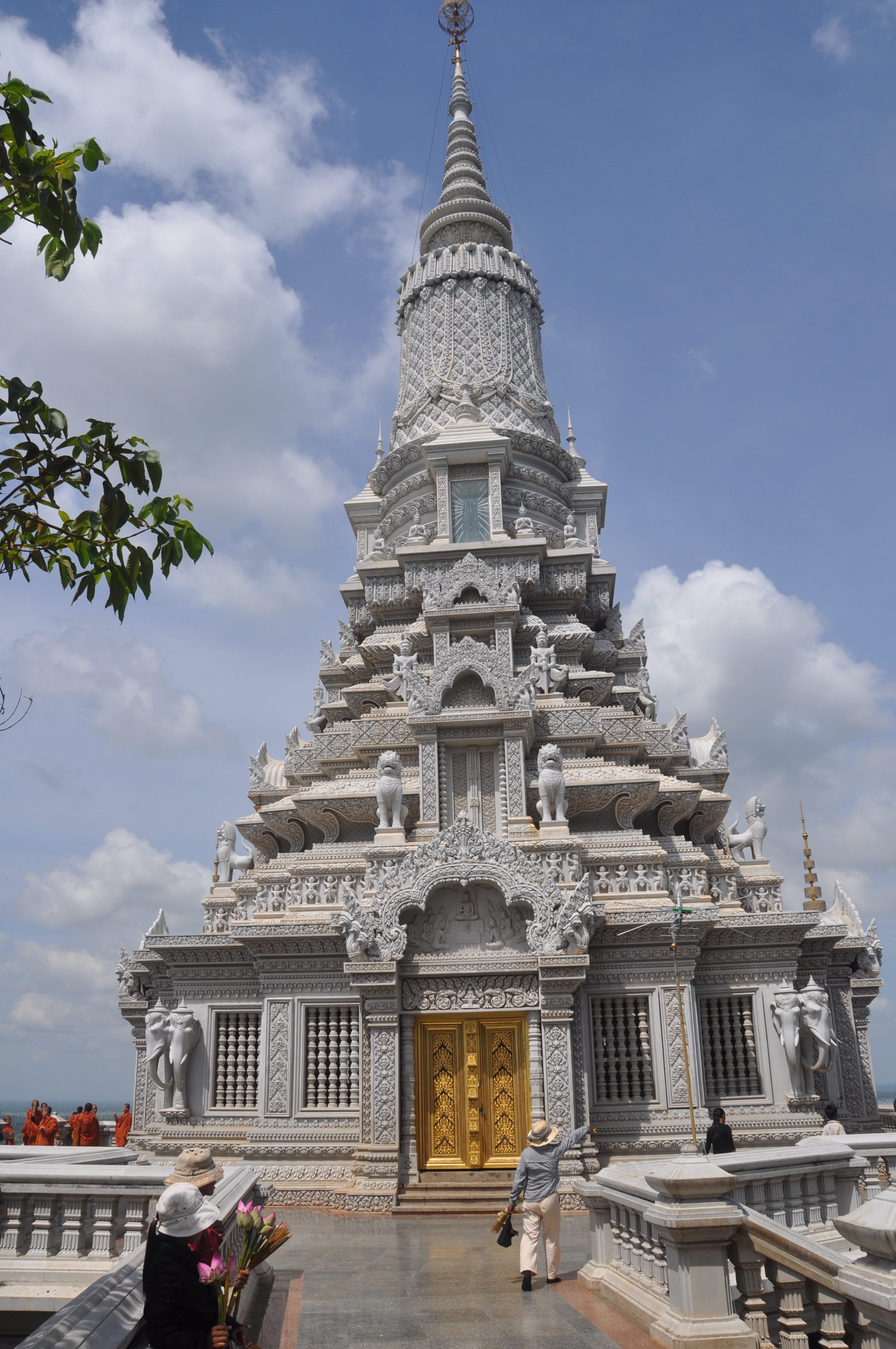
 Phnom Oudong
Cambodia's Royal Capital for 250 Years, Crowned with the Stupas of Kings
 village
 Koh Dach (Silk Island)
A Mekong Island Where Every House Has a Loom
 village
 Koh Chen (Silversmith Village)
Family Workshops Forging Silver and Copper for Generations
 temple
 Vipassana Dhura Buddhist Centre
Cambodia's Largest Meditation Centre, at the Foot of the Royal Mountain
Useful Links
Practical Info
- Entry Fee
- Free to observe Sunday practice; the annual full performance is a community ceremony, not a ticketed event
- Opening Hours
- Practice sessions most Sundays; full performance once a year, shortly after Khmer New Year (mid-to-late April)
- Time Needed
- 1–2 hours
- Best Time
- A Sunday for practice, or the week following Khmer New Year for the full annual performance