12 Days in Cambodia — Budget Backpacker Route
5 destinations · 12 days
At a Glance
- ✓ Angkor Wat on a multi-day pass
- ✓ Battambang's bamboo train & bat cave
- ✓ Free walking & street food in Phnom Penh
- ✓ Kampot riverside guesthouses
- ✓ Island-hopping dorm life on Koh Rong
- ✓ $15–20/day achievable outside accommodation splurges
Cambodia is one of the cheapest countries in Southeast Asia to travel well in. This loop hits every major stop on the backpacker trail using buses and dorms, without skipping anything — it just takes the slow, cheap way between places instead of flights and private cars.
Day 1–4: Siem Reap
Day 1: Arrive, check into a hostel near the Old Market (dorms from $5–8/night). Evening at Pub Street and the night market — cheap beer, cheaper street food.
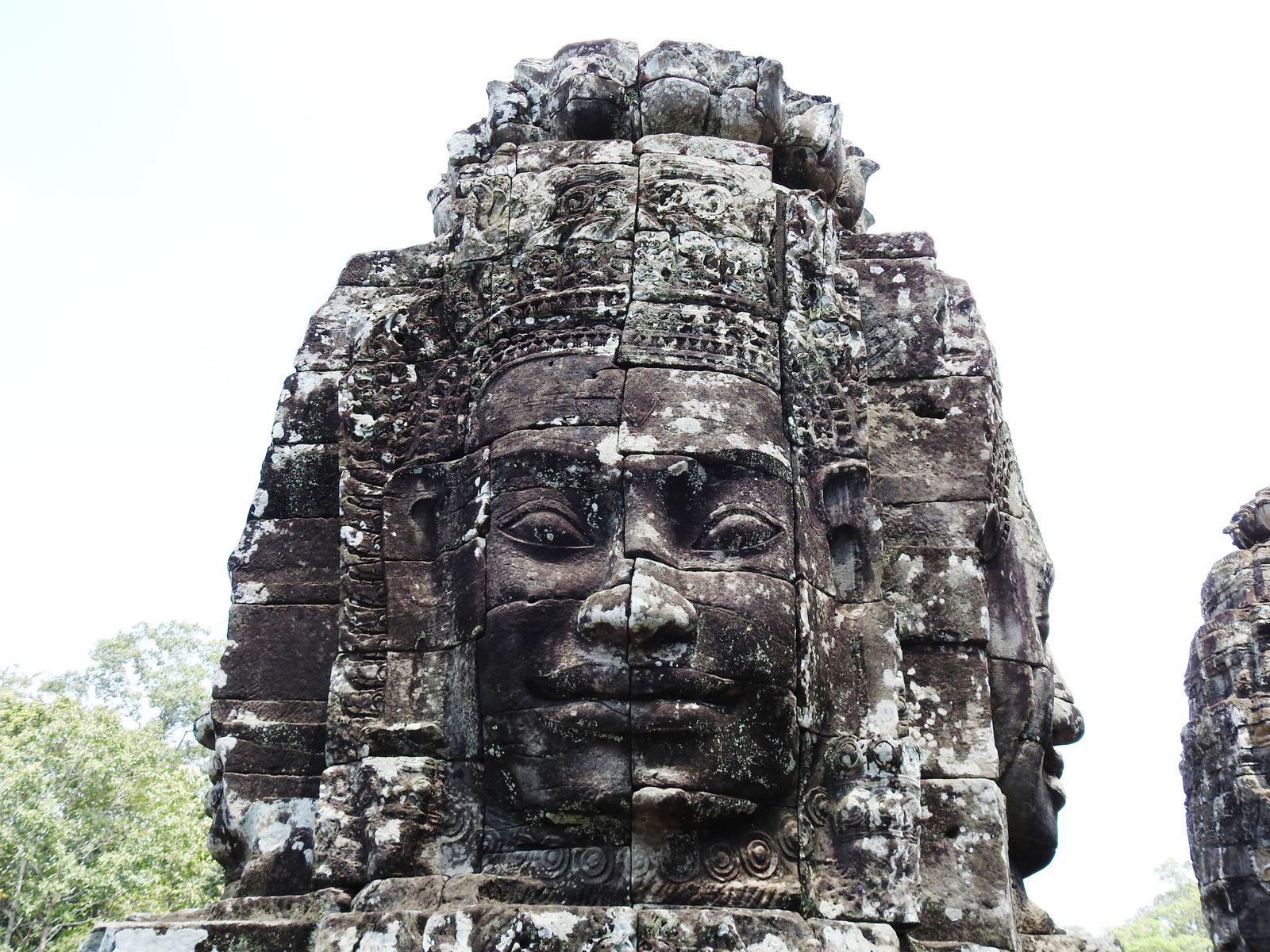
Day 2: Buy a 3-day Angkor pass ($62 — split the cost by doing all three Angkor days back to back rather than spread out). Sunrise at Angkor Wat, then Angkor Thom, the Bayon, and Ta Prohm. Share a tuk-tuk with other hostel guests to split the $15–20 day rate three or four ways.
Day 3: The “Grand Circuit” — Preah Khan, Ta Som, and the remote Banteay Srei for its carved pink sandstone. Quieter than the main circuit, fewer crowds.
Day 4: Final Angkor day or a rest day. A Tonle Sap boat tour to Kompong Phluk costs $15–20 and is worth fitting in. Evening bus booking for Battambang.
Stay: Hostel dorm, Siem Reap.
Day 5–6: Battambang
Day 5: Local bus to Battambang ($5, 3 hours). Ride the bamboo train ($5) — a bamboo platform on rail wheels, genuinely one of the best-value experiences in the country. Visit Phnom Sampeau at dusk to watch the bat cave empty out (free, just the cost of a moto-taxi there).
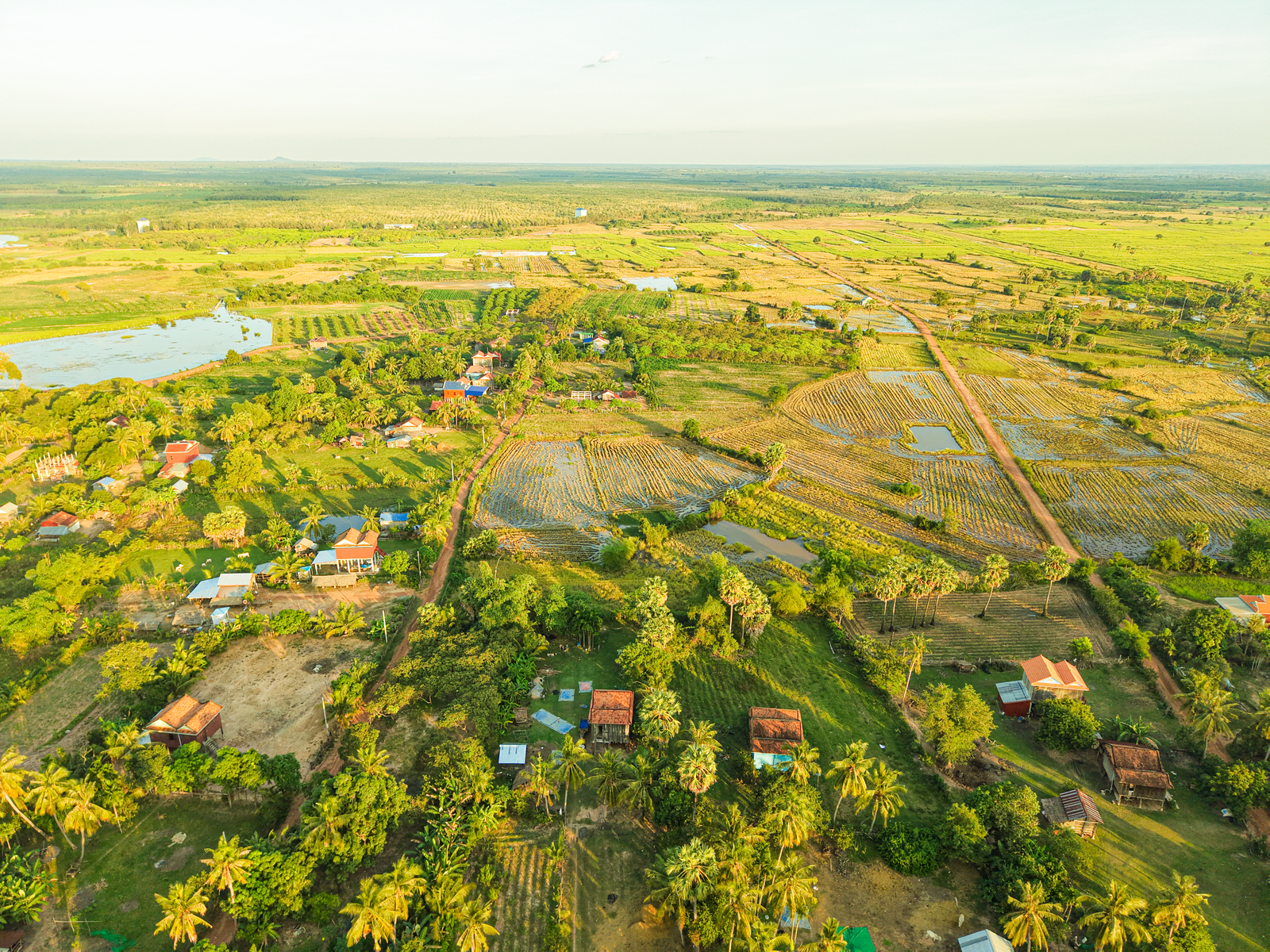
Day 6: Rent a bicycle ($2–3/day) and explore the countryside and riverside French Quarter independently rather than booking a tour. Evening show at Phare Ponleu Selpak, the social circus — tickets support the youth training program.
Stay: Hostel, Battambang.
Day 7–9: Phnom Penh
Day 7: Bus to Phnom Penh ($7–10, 5 hours). Free walking tour of the riverside area in the afternoon (tip-based). Dorm bed near the riverfront.
Day 8: Tuol Sleng ($5) and Choeung Ek Killing Fields ($6 including audio guide) — both essential, both cheap. Afternoon at Russian Market for the street food stalls around its edges, some of the best-value meals in the city.
Day 9: Free or near-free day — Wat Phnom, the riverside promenade, and a sunset beer at one of the cheap rooftop bars in the BKK1 area.
Stay: Hostel dorm, Phnom Penh.
Day 10: Phnom Penh → Kampot
Morning: Bus to Kampot ($6–8, 3.5 hours).
Afternoon: Check into a riverside guesthouse — Kampot has some of the best budget accommodation value in the country. Rent a bicycle and explore the French Quarter independently.
Evening: Sunset on the riverfront — a $1–2 beer at any of the riverside bars gets you the same view as the expensive ones.
Stay: Guesthouse, Kampot.
Day 11: Kampot → Sihanoukville → Koh Rong
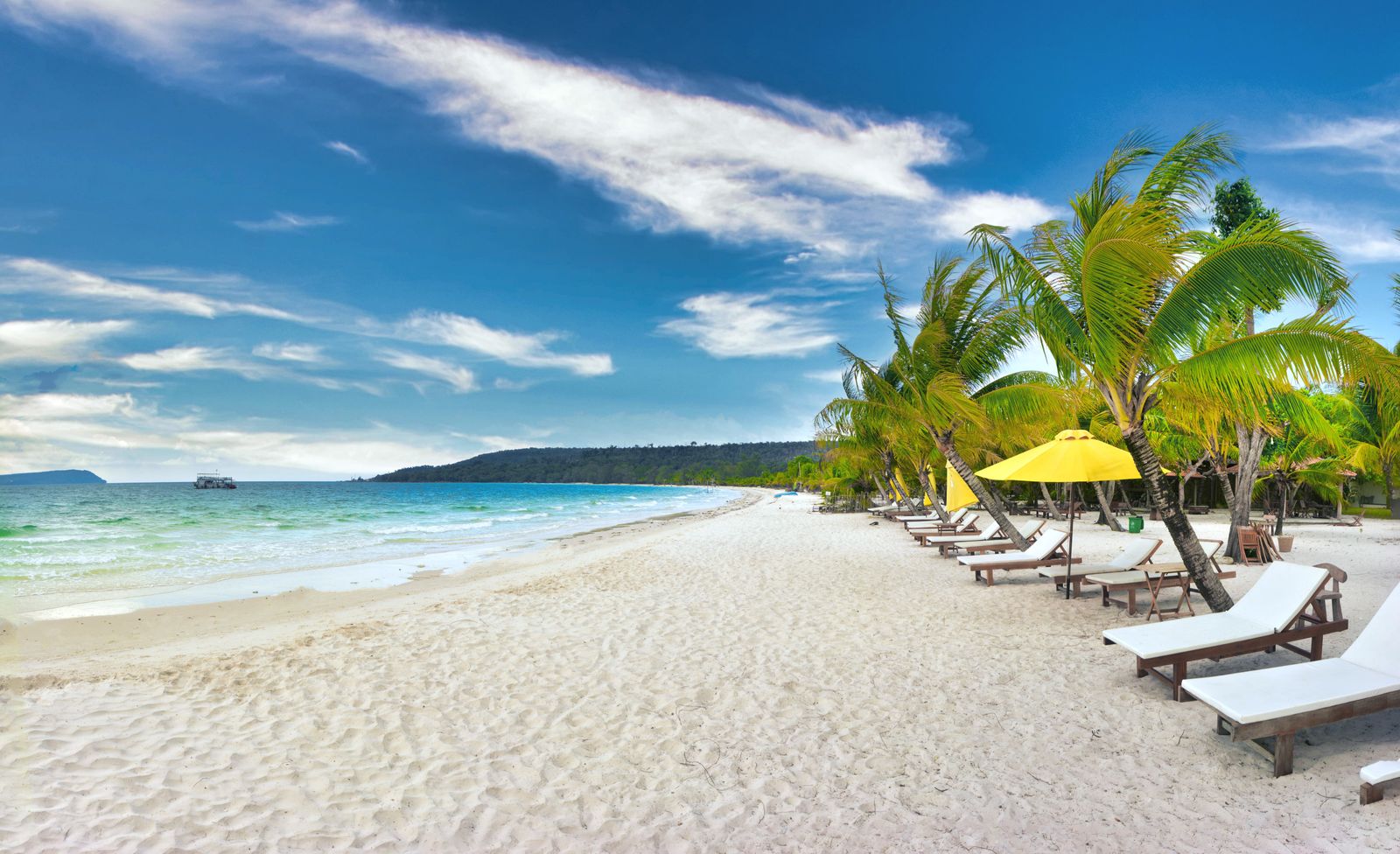
Morning: Bus to Sihanoukville ($5, 2.5 hours), then the budget ferry to Koh Rong ($12–15, the main island has the cheapest dorms and bungalows of any beach in the country).
Afternoon/Evening: Beach time and the island’s famously low-cost bar scene.
Stay: Dorm or beach bungalow, Koh Rong.
Day 12: Island Time & Departure
Morning: A last swim, or a short trek to one of the island’s quieter beaches.
Afternoon: Ferry back to Sihanoukville, onward bus to Phnom Penh for your flight, or extend the trip — Koh Rong is the kind of place backpackers’ “two more days” plans tend to happen.
Practical Notes
Getting around: Stick to local buses and shared tuk-tuks throughout — this single choice is what keeps the daily budget down. Buses run $5–10 per leg; flights would roughly triple the transport cost of this route.
Realistic daily budget: $20–35/day covers dorm beds, street food, local transport, and the bigger one-off costs (Angkor pass, bamboo train, ferry). Splurge days — a private bungalow on Koh Rong, a tour instead of DIY — push individual days higher.
Money-saving tips: ATMs dispense USD throughout Cambodia, so there’s no need to change currency. Eat where locals eat — markets and street stalls are both cheaper and often better than tourist-facing restaurants. Hostels in every major town can arrange shared tuk-tuks and split bus tickets with other travelers.